


Designing Single Rails for High-Traffic Conveyors
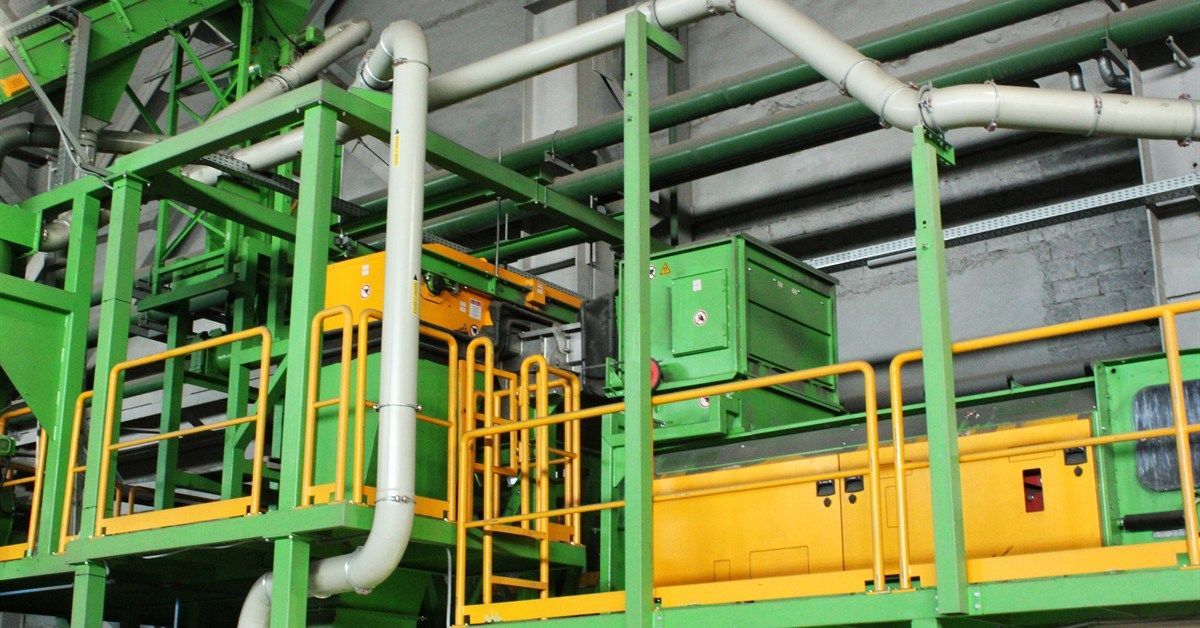
Conveyor systems can create crowded industrial environments where personnel need defined walking areas around operating equipment. When a facility uses single-line rails to separate those areas, the rail configuration must correspond with the conveyor layout and the way employees move through the surrounding space. Planning around those conditions can reduce conflicts between the railing system and normal facility operations.
Designing single rails for high-traffic conveyors requires project teams to consider where personnel travel and where they need equipment access. The conveyor configuration also affects the space available for rail placement, making coordination between the equipment and pedestrian routes an important part of the design. Establishing these requirements before fabrication gives the rail a defined purpose within the facility.
Establish the Rail Around Traffic Patterns
Before determining rail placement, project teams should identify where pedestrian routes bring personnel near conveyor equipment. Areas with frequent foot traffic may require a defined boundary that separates routine movement from the operating equipment without unnecessarily restricting circulation.
Openings and transitions within the rail should correspond with those same movement patterns. Positioning them according to how personnel approach and move through the area allows the rail configuration to support the established traffic route.
Coordinate the Rail With Conveyor Geometry
Changes in conveyor direction or elevation can influence the space available for rail placement. Designers need to account for the equipment geometry when establishing the rail path, so the finished installation fits the surrounding layout.
For stainless steel handrail fabricators, clearly defined dimensions provide the information needed to produce rail sections for the planned configuration. Establishing the required path before fabrication can reduce conflicts between the railing and nearby equipment during installation.
Preserve Necessary Equipment Access
Although a single rail can establish separation around conveyor equipment, the layout still needs to accommodate locations that personnel must reach during facility operations. Identifying those access points before finalizing the rail configuration prevents the boundary from unnecessarily obstructing required equipment access.
A planned layout can separate routine pedestrian routes from locations where personnel need to approach the conveyor. This distinction allows the rail to support facility traffic while preserving access where the established operation requires it.
Plan the Rail Before Fabrication
When designing single rails for high-traffic conveyors, project teams should coordinate the traffic boundary with the physical conditions that will determine the finished installation. The conveyor geometry establishes where the rail can travel, while pedestrian routes determine where personnel need separation or access. Resolving these requirements together provides fabricators with a clearer basis for producing the required rail configuration.
CMPI fabricates stainless steel single-line railing systems for industrial applications. When project teams provide the established dimensions and installation requirements, CMPI can fabricate railing components according to the planned facility layout. Contact CMPI to discuss the fabrication requirements for your industrial single-rail project.