
4 Ways To Protect Single-Line Rails From Corrosion
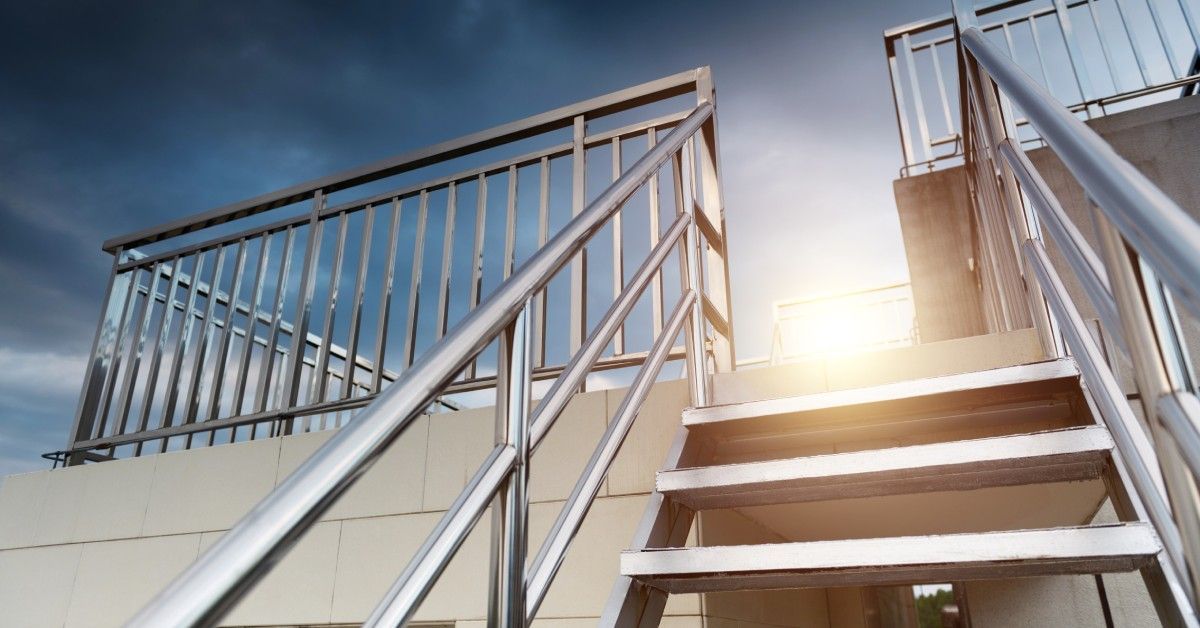
Corrosion can compromise the structural integrity and aesthetic value of any architectural project, turning a polished design into a maintenance liability. For general contractors and distributors, preventing this degradation from the outset gives you longevity and client satisfaction. With single-line rails that meet design specifications and resist environmental wear, you can preserve their strength and appearance. Achieve this level of durability with ways to protect single-line rails from corrosion , like specific material choices and safeguard measures.
Select Corrosion-Resistant Materials
The most effective defense against corrosion begins with material selection. For superior performance, use stainless steel, particularly grades 304 for general applications or 316 for marine and high-chloride environments. The chromium content in stainless steel forms a passive, self-repairing oxide layer that shields the metal from corrosive elements. Aluminum and galvanized steel also offer excellent resistance, providing strong alternatives depending on your project requirements and budget.
Apply High-Performance Protective Coatings
A high-performance coating acts as a physical barrier between the metal rail and the environment. This is especially important for carbon steel, as it adds an extra layer of defense. We recommend several effective coating methods for maximum protection.
Powder coating provides a durable, uniform finish that resists moisture, chemicals, and abrasion. For steel rails, hot-dip galvanization applies a layer of zinc that sacrificially corrodes to protect the steel beneath. High-quality epoxy or polyurethane paints also create a non-porous shield, preventing moisture and oxygen from reaching the metal surface.
Do Proper Surface Finishing and Preparation
A rail's surface finish can impact its corrosion resistance. Rough or porous surfaces can trap moisture, salt, and pollutants, creating a localized area of corrosion. Professional surface finishing removes these imperfections and enhances the material's natural defenses.
For stainless steel, electropolishing is a highly effective treatment that smooths the surface at a microscopic level and intensifies the passive oxide layer. Experienced stainless steel handrail fabricators understand that a smooth, polished surface is less likely to hold contaminants, making it easier to clean and maintain. Proper preparation before any coating allows for strong adhesion and long-term performance.
Implement a Regular Maintenance and Inspection Plan
Even the best materials and coatings require proactive care for a long service life. Environmental factors, such as salt spray, industrial pollutants, and dirt, can accumulate on rail surfaces and slowly disintegrate protective layers. You should establish a simple but consistent maintenance schedule to help prevent this.
Regularly clean the handrails with mild detergent and water to remove corrosive deposits. Inspect the rails periodically for any signs of damage, such as scratches or chips in the coating, and address them promptly with a touch-up application. This preventative method stops minor issues from developing into serious corrosion problems, preserving the rail’s structural integrity and appearance.
Delivering Durable Rails That Last
By prioritizing these ways to protect single-line rails from corrosion , they can stand the test of time. If you want expert fabrication and finishing for maximum corrosion resistance, trust the specialists.
Contact Custom Manufacturing & Polishing Inc. today to discuss your project requirements and learn how our advanced solutions can increase the durability and quality of your architectural metalwork.