


5 Tips for Streamlining Your Tube Bending Process
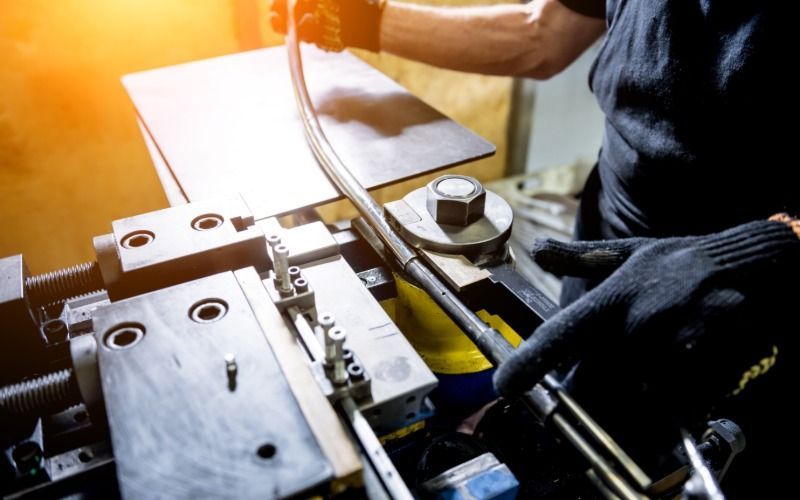
Precision tube bending determines the success of fabrication projects that require accuracy and consistency. When inefficiencies develop, they rarely come from a single issue. Instead, small inconsistencies in setup, material, or sequencing tend to build on one another, leading to rework and lost time. Understanding different tips for streamlining your tube bending process can identify where variation begins and how to limit its impact early in production.
Improving results requires looking at material, tooling, and workflow, all of which influence how stainless components respond during forming. When these elements align, the process becomes more predictable and far easier to manage across repeated runs.
Start With Consistent Material Inputs
Variations in material properties introduce instability before bending begins. Changes in wall thickness, hardness, or composition alter how the tube reacts under stress, which makes consistent results harder to achieve. Even slight differences between batches can shift how the material forms during bending. Establishing tighter control over incoming material, verifying specifications, and sourcing from consistent suppliers allows operators to rely on stable baseline settings with less variability.
Optimize Tooling for the Application
Tooling determines how well a tube maintains its shape during bending, so mismatched dies or improperly sized mandrels create conditions where deformation becomes more likely, especially in tighter radii or thinner walls. Plus, worn tooling can introduce additional variation that compounds these issues.
A slight deviation in setup can shift the bend angle or distort the tube profile, even when the correct tooling is in place. Routine inspection and maintenance keep equipment performing as expected and prevent small issues from affecting larger production runs.
Define Clear Specifications Before Bending
Without defined bend radii, tolerances, or deformation limits, operators must rely on trial and error to reach acceptable results. That approach slows production and increases the likelihood of inconsistencies.
Clear documentation removes that uncertainty and establishes a repeatable starting point. When working with stainless steel tubes, defined specifications allow teams to set up equipment with confidence and maintain consistent output across multiple parts.
Improve Process Flow for Better Consistency
Process efficiency depends on how well each step connects to the next. Disorganized workflows introduce unnecessary handling, while inconsistent setups force operators to reset conditions between runs. Standardizing procedures and refining workflows can reduce those disruptions. When each stage follows a defined sequence, production becomes more stable and easier to manage, even as project complexity increases.
Achieving More Efficient Tube Bending Outcomes
Streamlining tube bending requires attention to detail across the entire process, not just at the point of forming. Applying tips for streamlining your tube bending process allows teams to better control material consistency, tooling condition, and workflow alignment. As those variables become more controlled, production stabilizes, and inefficiencies begin to drop.
For projects involving stainless steel fabrication, Custom Manufacturing & Polishing, Inc. supports production efforts with precision-focused processes and material expertise. Contact their team to discuss project requirements and explore ways to improve efficiency in your tube bending operations.