
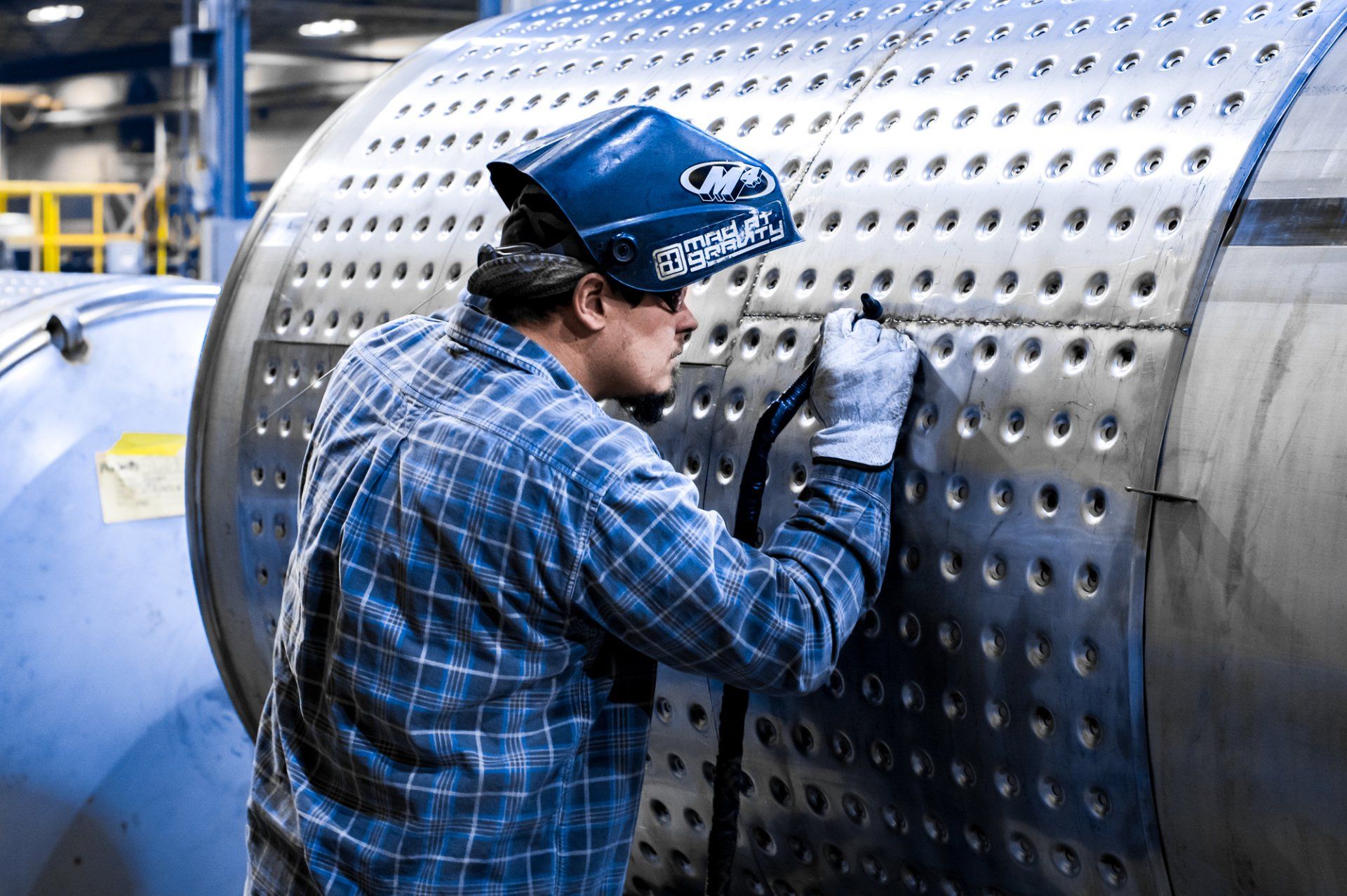



The Benefits of High-Quality Honing for Stainless Pipe
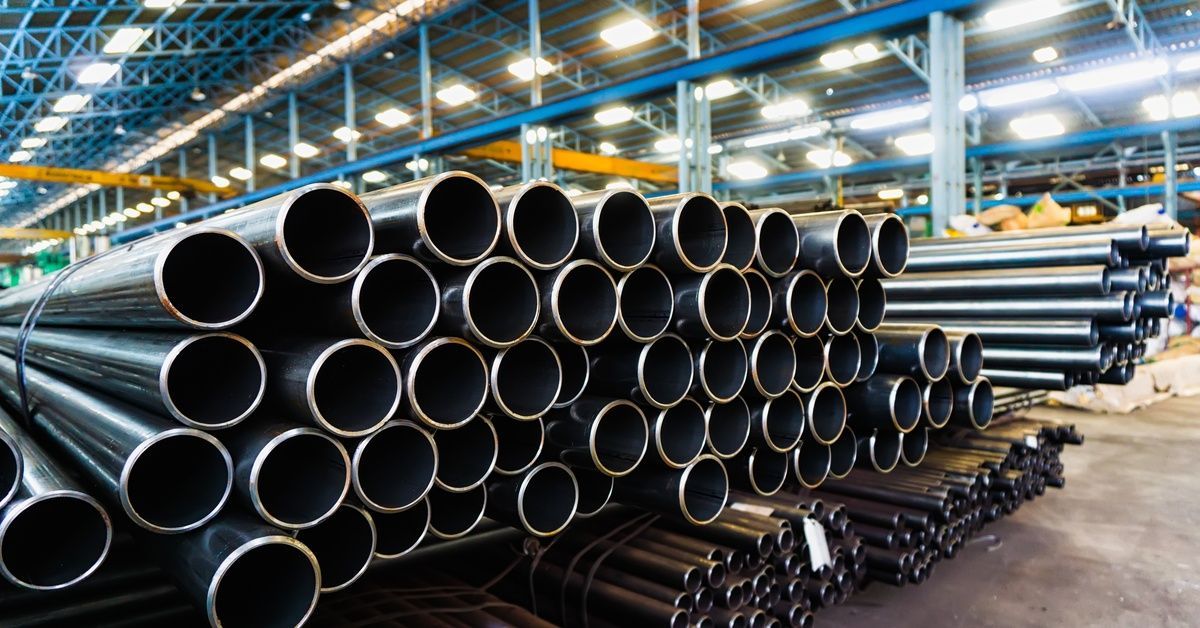
Surface finishing influences how stainless pipe performs in demanding applications. Internal surface condition affects flow characteristics, cleanability, and how components interact with adjoining systems. When manufacturers apply finishing processes correctly, they improve both performance and consistency across production.
Understanding the benefits of high-quality honing for stainless pipes can clarify why manufacturers select this process for applications where precision and surface control matter. Honing refines internal surfaces in a way that supports both functional performance and long-term reliability.
What Honing Changes Inside the Pipe
Honing improves the internal diameter of a pipe by removing small amounts of material in a controlled manner. The process uses abrasive stones that rotate and move longitudinally, creating a consistent surface pattern along the interior. This pattern can produce a more uniform internal surface compared to an untreated or roughly finished pipe.
The result improves dimensional accuracy and surface consistency throughout the length of the pipe. Honing can correct minor irregularities left from earlier fabrication steps, which supports better alignment and component performance.
How Surface Quality Affects Flow and Performance
Internal surface condition has a direct impact on how fluids move through a pipe. For example, rough or inconsistent surfaces can create resistance, disrupt flow patterns, and increase the potential for buildup in certain applications. These issues may affect efficiency and long-term system performance.
A honed surface provides greater consistency, which supports smoother flow and reduces turbulence. In applications where cleanliness or precise flow behavior matters, this level of control can contribute to more predictable system operation.
Supporting Cleanability and Maintenance
Cleanability becomes especially important in applications where residue or buildup can affect performance or sanitation. Internal surfaces that contain irregularities may trap material, making cleaning more difficult and less consistent.
Honing creates smoother internal surfaces that are easier to clean and maintain. By reducing areas where material can accumulate, honed pipe supports more effective cleaning processes and maintains consistent performance across repeated use.
What To Consider When Specifying Honing
Specifying honing requires more than identifying the process itself. Important details include the desired surface finish, dimensional tolerances, and material characteristics that may affect how manufacturers apply the process. Providing clear requirements allows fabrication teams to achieve the intended results.
Additional factors such as pipe length, diameter, and application conditions also require consideration. These details influence how manufacturers perform honing and ensure that the final product meets both performance and quality expectations for custom stainless steel pipe.
Delivering Better Results With Precision Finishing
High-quality honing supports improved performance, consistency, and reliability in stainless pipe applications. When internal surfaces are properly refined, systems operate more efficiently and maintain performance. This makes honing a valuable process for applications that demand precision and durability.
Understanding the benefits of high-quality honing for stainless pipe allows project teams to make more informed decisions during planning and fabrication. For projects involving custom pipe creation, Custom Manufacturing & Polishing, Inc. provides precision finishing services tailored to specific application requirements. Contact their team to discuss honing capabilities and explore solutions for your next project.