

Common Applications for Custom Stainless Steel Signs

Stainless steel signage appears in a wide range of commercial and institutional environments where durability and a refined visual presentation reflect positively. The material’s corrosion resistance allows it to perform reliably in exterior conditions, while its strength and fabrication versatility make it suitable for detailed lettering, dimensional graphics, and structural mounting solutions. These characteristics allow stainless signage to remain legible and visually consistent even in areas that experience heavy daily use.
Understanding common applications for custom stainless steel signs help designers, contractors, and facility managers choose signage solutions that align with both functional requirements and architectural design goals. Early consideration of signage design, finish selection, and fabrication details create a cohesive environment that supports navigation, branding, and durability.
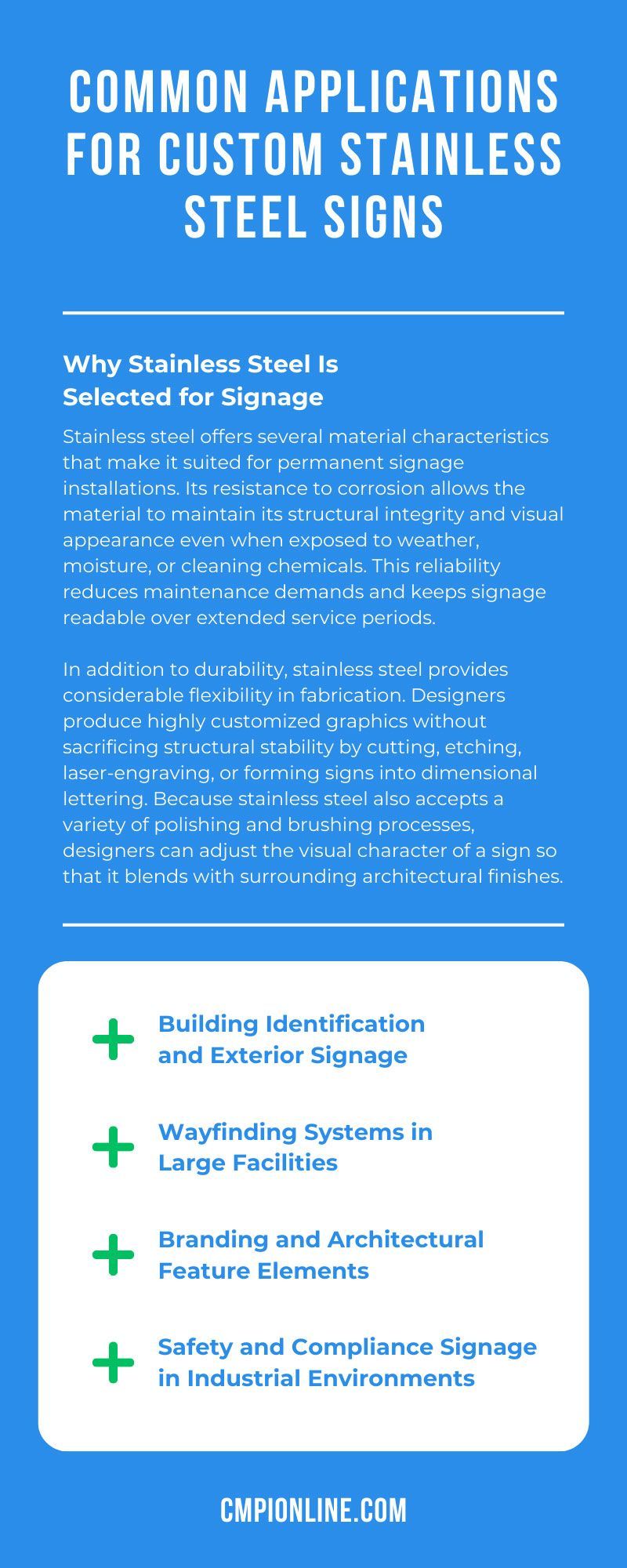
Why Stainless Steel Is Selected for Signage
Stainless steel offers several material characteristics that make it suited for permanent signage installations. Its resistance to corrosion allows the material to maintain its structural integrity and visual appearance even when exposed to weather, moisture, or cleaning chemicals. This reliability reduces maintenance demands and keeps signage readable over extended service periods.
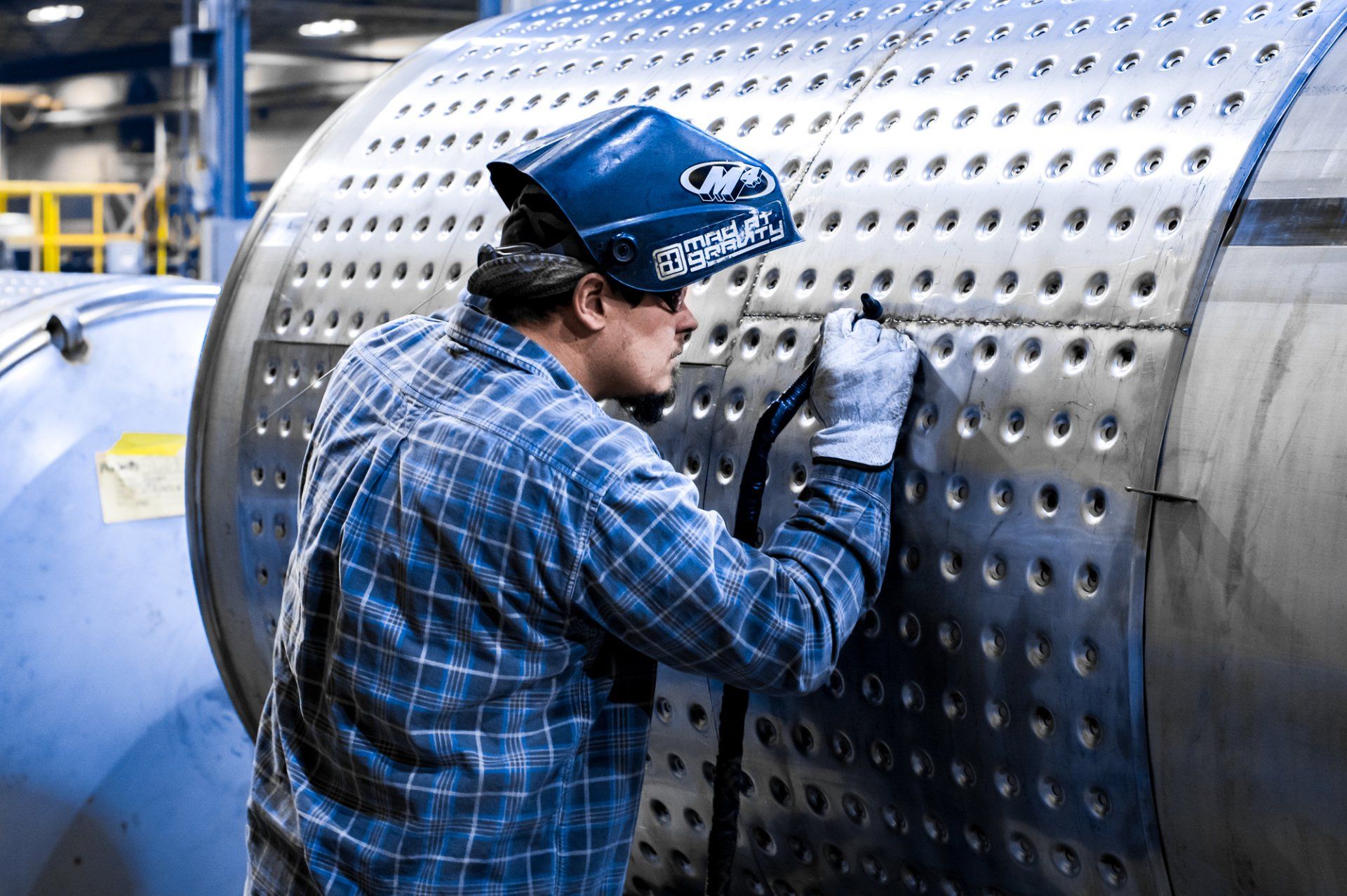
In addition to durability, stainless steel provides considerable flexibility in fabrication. Designers produce highly customized graphics without sacrificing structural stability by cutting, etching, laser-engraving, or forming signs into dimensional lettering. Because stainless steel also accepts a variety of polishing and brushing processes, designers can adjust the visual character of a sign so that it blends with surrounding architectural finishes.
Building Identification and Exterior Signage
One of the most visible uses for stainless steel signage involves building identification. Corporate headquarters, medical facilities, universities, and public buildings frequently incorporate stainless steel signs to display building names, entrance markers, or campus identifiers. These signs must remain legible from a distance while also complementing the architectural style of the surrounding structures.
Exterior building signs require careful planning to withstand sunlight, precipitation, and fluctuating temperatures. Stainless steel performs well in these conditions and maintains its appearance even after prolonged environmental exposure. Plus, fabricators can produce large letters or panels that attach to building facades through concealed mounting systems, allowing the signage to appear integrated with the building.
Wayfinding Systems in Large Facilities
Large commercial or institutional environments rely on coordinated wayfinding systems to guide visitors through complex layouts. Stainless steel signage frequently appears in these systems because the material provides durability while maintaining a clean and professional appearance.
Directional signs, floor directories, room markers, and corridor indicators are common components within these systems. Because many of these elements appear throughout an entire facility, consistency in finish, lettering style, and mounting hardware becomes particularly important. Fabrication teams can produce these components as part of a coordinated signage package, so that each sign maintains the same visual standards across the property.
Branding and Architectural Feature Elements
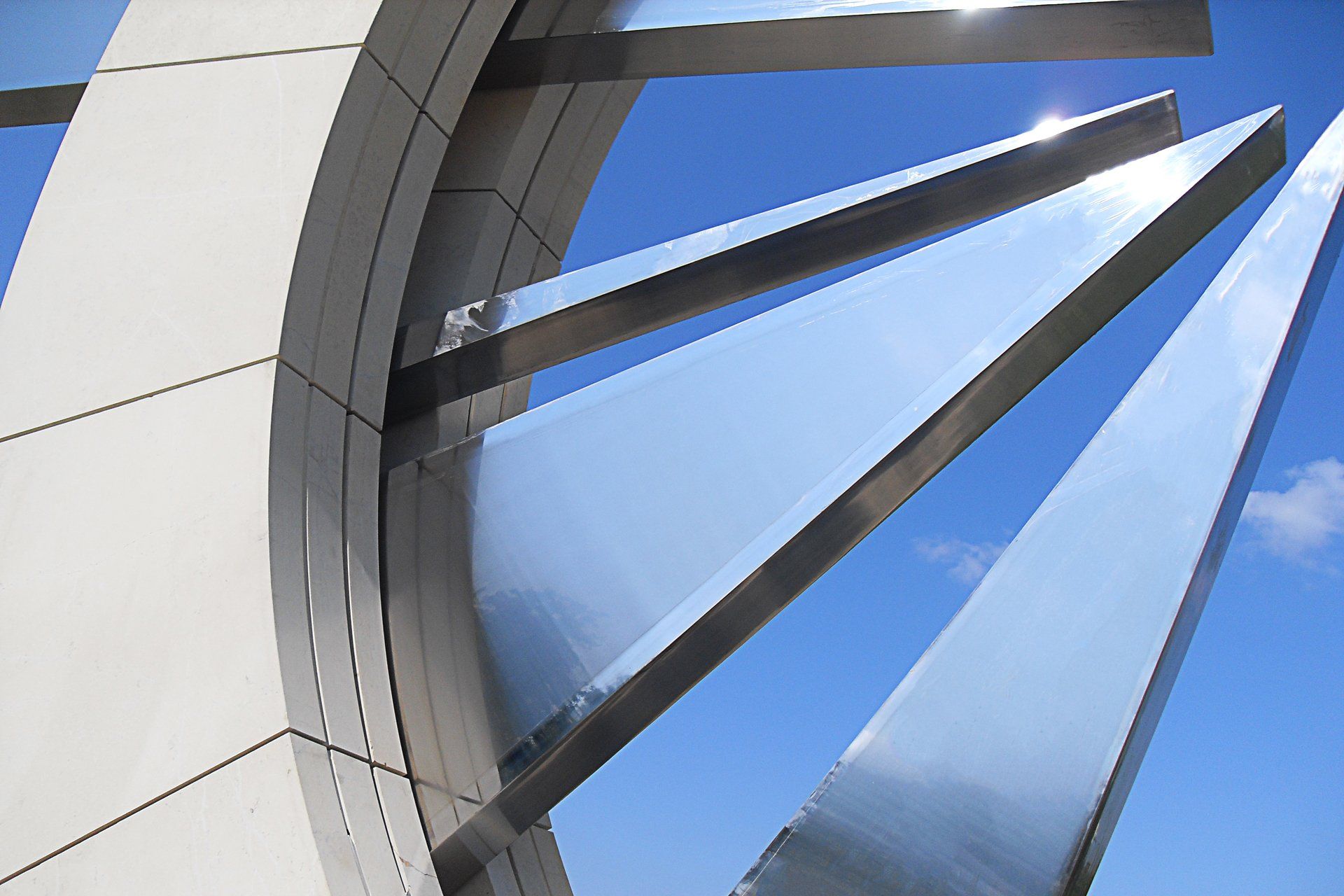
Stainless steel signage is also widely used for branding and decorative installations. Many organizations incorporate stainless steel logos, dimensional lettering, or sculptural signage elements within lobbies, reception areas, or exterior plazas. These features can reinforce brand identity while complementing surrounding architectural finishes.
The versatility of stainless steel allows designers to experiment with different visual effects. Brushed finishes create subtle texture, while polished surfaces reflect light and surrounding materials in a more pronounced way. The design can also incorporate other materials such as glass, stone, or wood for signage that integrates naturally within the architectural environment.
Safety and Compliance Signage in Industrial Environments
In manufacturing facilities, transportation hubs, and industrial plants, signage communicates safety information and operational instructions. Stainless steel performs well in these environments because it withstands moisture, cleaning processes, and temperature fluctuations that might degrade other signage materials.
Safety signage displayed in these facilities may include equipment labels, hazard warnings, or operational instructions that must remain legible under demanding conditions. Stainless steel signs maintain readability through engraving, chemical etching, or raised lettering, even when scratches or frequent cleaning affect the surface. Because these signs remain in place for long periods, their durability contributes to consistent safety communication throughout the facility.
Finish Options That Influence Readability and Appearance
The finish applied to a stainless steel sign can influence how the sign appears in its environment. Brushed finishes create directional texture that diffuses reflections, which can improve readability in bright environments. Polished finishes reflect light more directly to create a decorative or high-impact branding effect.
While bead-blasted surfaces provide a more matte appearance that reduces glare. Designers choose finish combinations that balance visual contrast with architectural compatibility. Selecting the correct finish helps signage remain legible while contributing to the visual identity of the space.
Mounting Methods and Installation Considerations
Mounting methods can determine how stainless steel signage appears once installed. Standoff mounts, concealed studs, mechanical fasteners, or adhesive systems secure signs depending on the size of the sign and the surface material.
Proper mounting selection keeps the signage stable while also maintaining the intended visual presentation. For example, standoff mounts can create dimensional spacing between the sign and the wall, producing a floating appearance that highlights the sign as a design feature. Concealed mounts, on the other hand, allow lettering or panels to appear seamlessly integrated with surrounding architectural elements.
Coordinating Signage With Other Architectural Metals
Stainless steel signage can appear alongside other architectural metal components within a building. Railings, trim pieces, wall panels, and decorative structures may all incorporate similar finishes or fabrication methods, and aligning these elements during the design phase creates a cohesive visual environment.
For instance, brushed stainless finishes on signage coordinate with nearby architectural features like stainless handrail assemblies or metal panel systems. Matching surface treatments and grain directions allows these components to complement one another while maintaining consistent visual standards throughout the installation.
Integrating Stainless Signage Into Architectural Projects
Successful signage installations depend on thoughtful planning, material selection, and coordination between design and fabrication teams, and stainless steel provides the durability and fabrication flexibility needed to support a wide range of signage applications. Understanding common applications for custom stainless steel signs allows project teams to incorporate signage that aligns with both architectural design goals and long-term performance expectations. Fabricating signage with careful attention to finish quality, mounting methods, and environmental conditions maintains an installations appearance and functionality for many years.
For projects that require specialized stainless fabrication or precision finishing, Custom Manufacturing & Polishing, Inc. works with contractors, designers, and manufacturers to support architectural metalwork and custom components. Teams planning stainless signage or related architectural elements can contact CMPI to discuss fabrication capabilities and explore options for upcoming projects.