



Honing vs. Lapping: What’s the Difference for Finishing?
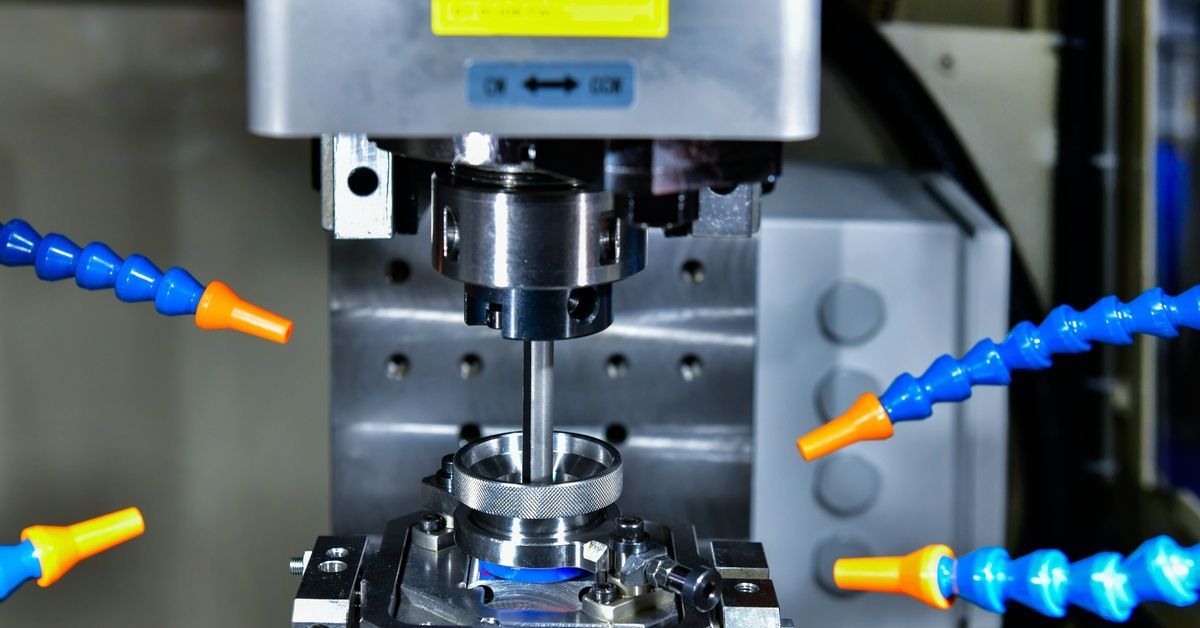
Precision finishing processes influence how metal components perform, especially when surface quality and dimensional accuracy directly impact function. Engineers discuss honing and lapping together, yet they serve different purposes depending on the requirements of a given part. Understanding how each method works can clarify which approach is better suited for specific finishing goals.
When comparing honing and lapping, it is important to consider the surface finish and how each process affects geometry, tolerances, and overall performance. While both options remove small amounts of material to refine a surface, they do so in different ways that influence the final characteristics of the component.
The Core Purpose of Each Process
Honing is typically used to improve the internal surface of cylindrical components. The process uses abrasive stones that expand against the interior surface while rotating and moving back and forth, creating a controlled crosshatch pattern. This pattern retains lubrication and improves the performance of components such as cylinders and tubes.
Lapping, on the other hand, focuses on achieving extremely flat surfaces and tight dimensional tolerances. It involves placing a part against a lapping plate with an abrasive slurry, gradually removing material to produce a highly refined surface. Engineers use this process when they require a flat, precise surface contact.
Surface Finish vs. Geometry Control
One difference between honing and lapping lies in how each process balances surface finish and geometric control. Honing improves surface texture while also correcting minor alignment issues within cylindrical parts. The resulting finish supports proper lubrication and wear resistance in applications where internal movement occurs.
Lapping prioritizes surface uniformity, and its primary advantage lies in creating precise mating surfaces. Components that require tight sealing or exact contact points benefit from the level of control that lapping provides.
Typical Applications by Component Type
Honing is commonly applied to parts such as hydraulic cylinders, tubes, and other internal bores where surface consistency affects performance. The process ensures that internal surfaces meet both finish and dimensional requirements without compromising structural integrity.
Lapping is more frequently used for flat components, sealing surfaces, and precision parts that require exact alignment. Designers select it for applications where even minor surface deviations impact function or assembly.
Choosing the Right Process for Your Application
Selecting between honing and lapping depends on how a component will function within its final application. Honing is best for improving internal surfaces that require controlled texture and alignment, while lapping is better for achieving flatness and precision on external surfaces.
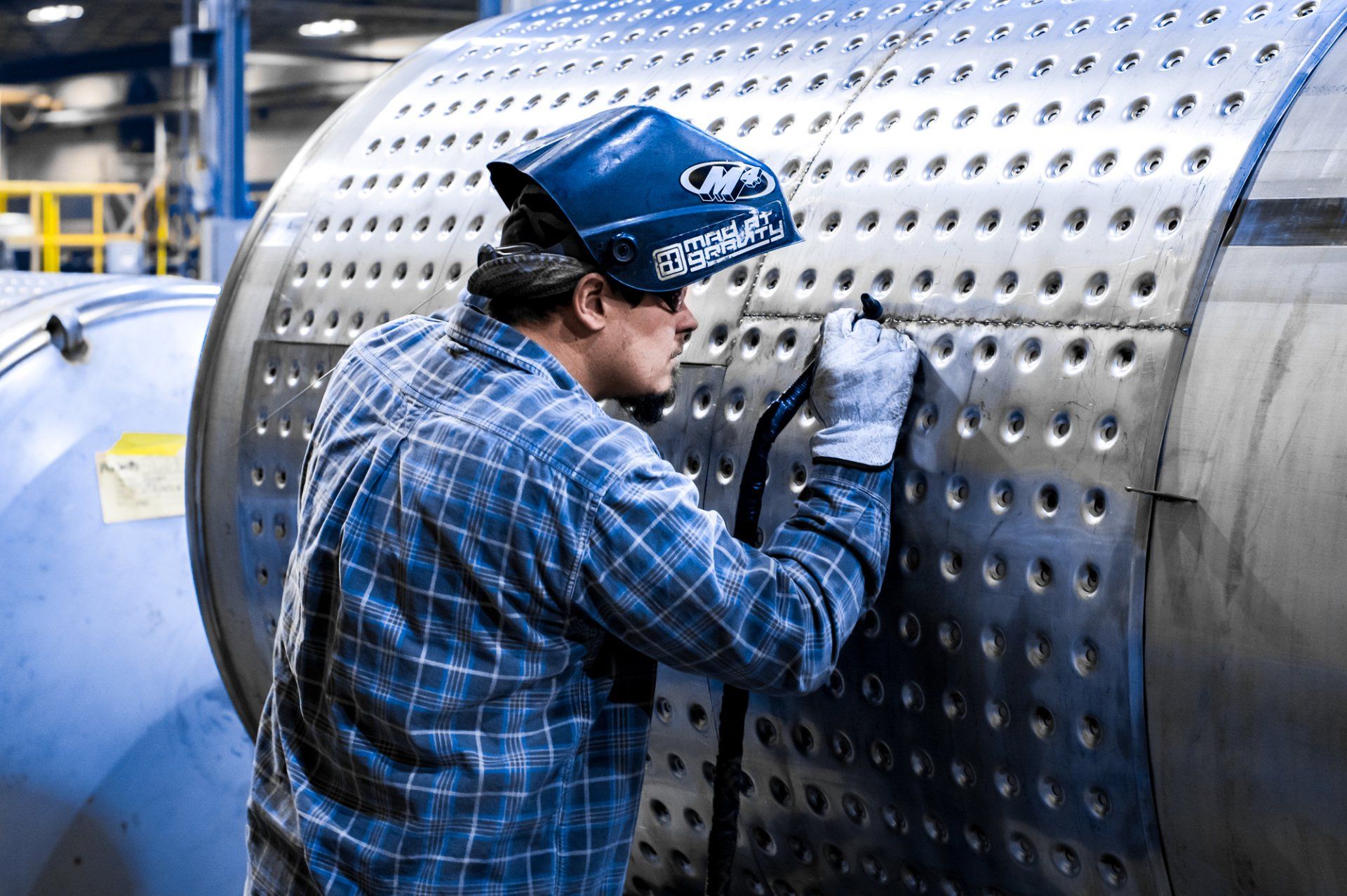
For projects involving precision finishing or fabricated components, such as custom bollards, understanding these differences can support better decision-making during the planning phase. Custom Manufacturing & Polishing, Inc. works with manufacturers and contractors to provide finishing and fabrication support. Contact their team to discuss finishing options and determine the best approach for your application.