



Cryogenic Jacketing Mechanics for Liquid Gas Storage
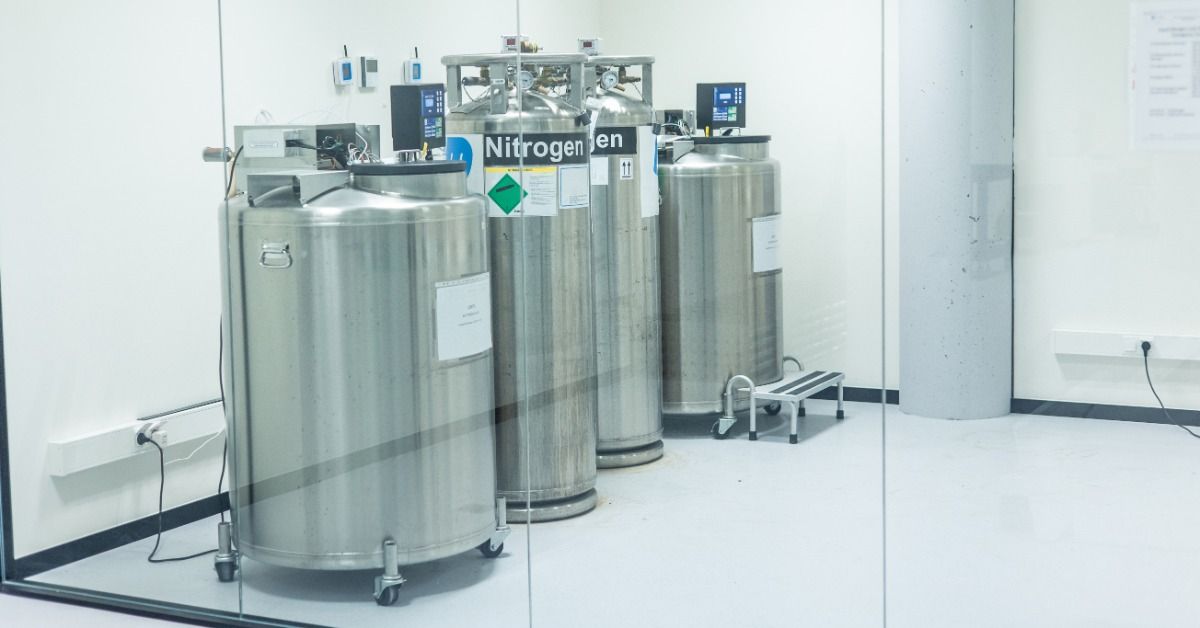
Cryogenic liquid storage requires careful thermal management because stored materials remain at temperatures far below the surrounding environment. These temperature differences shape the conditions that the vessel and its thermal-control components must accommodate throughout operation. When a storage system incorporates active jacketing, the jacket must function within those established requirements.
Cryogenic jacketing for liquid gas storage begins with establishing the system’s thermal requirements. Engineers must determine the required jacket coverage before establishing how the heat-transfer medium will circulate through it. Temperature, pressure, and vessel configuration then guide the fabrication requirements needed to produce a workable jacket design.
Distinguish Insulation From Active Jacketing
Insulation and active heat-transfer jacketing perform different functions within cryogenic equipment. Insulation limits unwanted thermal exchange between the stored material and its surroundings, while an active jacket provides a controlled path for a heat-transfer medium.
Keeping those functions separate allows engineers to determine what the jacket actually needs to accomplish. If the process requires active thermal control, the specified jacket configuration can address that requirement without treating the jacket as a substitute for the vessel's insulation system.
Establishing the jacket's function early also prevents the fabrication details from driving the thermal strategy. Engineers can define the required operating conditions first, then develop jacket coverage and circulation paths that support the intended process.
Evaluate Heat Movement Across the Vessel Wall
A large temperature difference between the stored material and other parts of the system creates demanding thermal conditions across the vessel assembly. When an active jacket forms part of the design, engineers must account for the relationship between the circulating medium, vessel wall, and material inside the vessel.
Jacket coverage determines where that interaction occurs. Extending the jacket across a larger surface changes the available heat-transfer area, while limiting coverage concentrates the jacket's function within selected portions of the vessel.
The correct arrangement depends on the thermal objective established for the equipment. Defining that objective first gives engineers a basis for determining where the jacket belongs and how much vessel surface it needs to cover.
Establish Flow Paths Through the Jacket

Once engineers determine the required jacket coverage, they need to establish how the heat-transfer medium will move through that area. Jacket geometry, inlet and outlet locations, and the available flow passages work together to create that route.
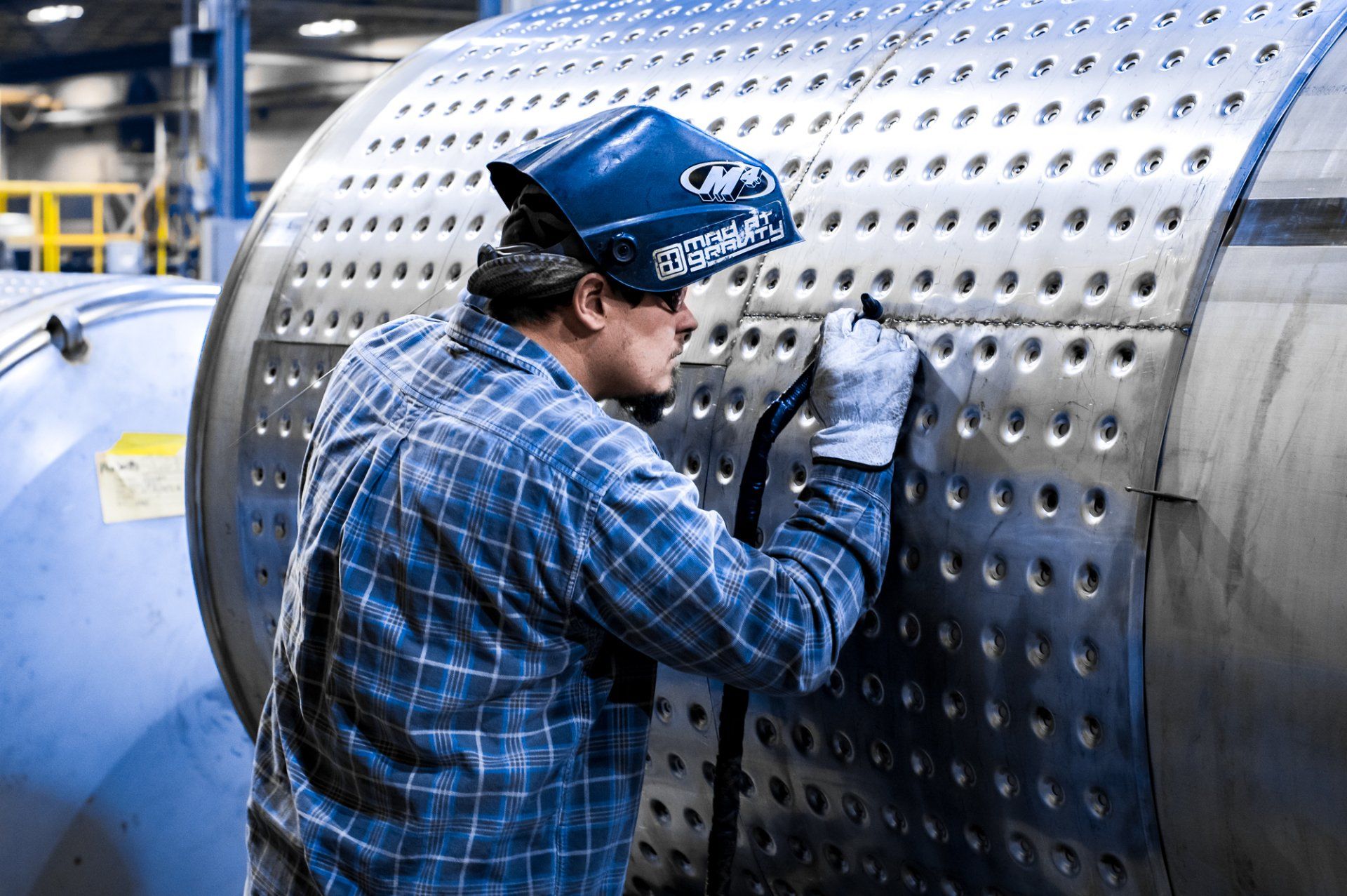
Dimpled heat-transfer surfaces create passages between the jacket and the vessel wall through which the specified medium can circulate. The arrangement of those passages needs to correspond with the intended thermal function.
Flow planning also affects how engineers position jacket connections. Coordinating the circulation path with the jacket geometry before fabrication gives the manufacturer defined boundaries and connection locations to incorporate into the component.
Account for Temperature-Related Movement
Cryogenic operating conditions expose components to substantial temperature changes, making dimensional movement part of the design consideration. Engineers need to account for how the materials and connected components will respond across the project's specified temperature range.
These conditions become particularly relevant where the jacket connects to the vessel through welded areas and other restrained points. The jacket and vessel must function together as temperatures change rather than treating each fabricated component as mechanically independent.
Project specifications should identify the required materials and operating temperature conditions before jacket fabrication begins. With those requirements established, the fabrication details can reflect the engineered relationship between the jacket and vessel.
Evaluate Jacket Pressure Requirements
The heat-transfer medium circulating through an active jacket introduces operating conditions separate from those inside the storage vessel. Engineers must establish the jacket's pressure requirements so its construction corresponds with the conditions assigned to that portion of the system.
Those requirements extend to the connections, attachment details, and passages that carry the circulating medium. Separating jacket requirements from vessel requirements gives the fabrication team clearer production information and prevents assumptions that both portions of the equipment operate under identical conditions.
Coordinate Jacket Geometry With Vessel Features
Nozzles, supports, instrumentation connections, and other vessel features can occupy areas where a jacket might otherwise extend. Engineers need to account for those features when defining jacket boundaries so the heat-transfer surface fits within the complete equipment layout.
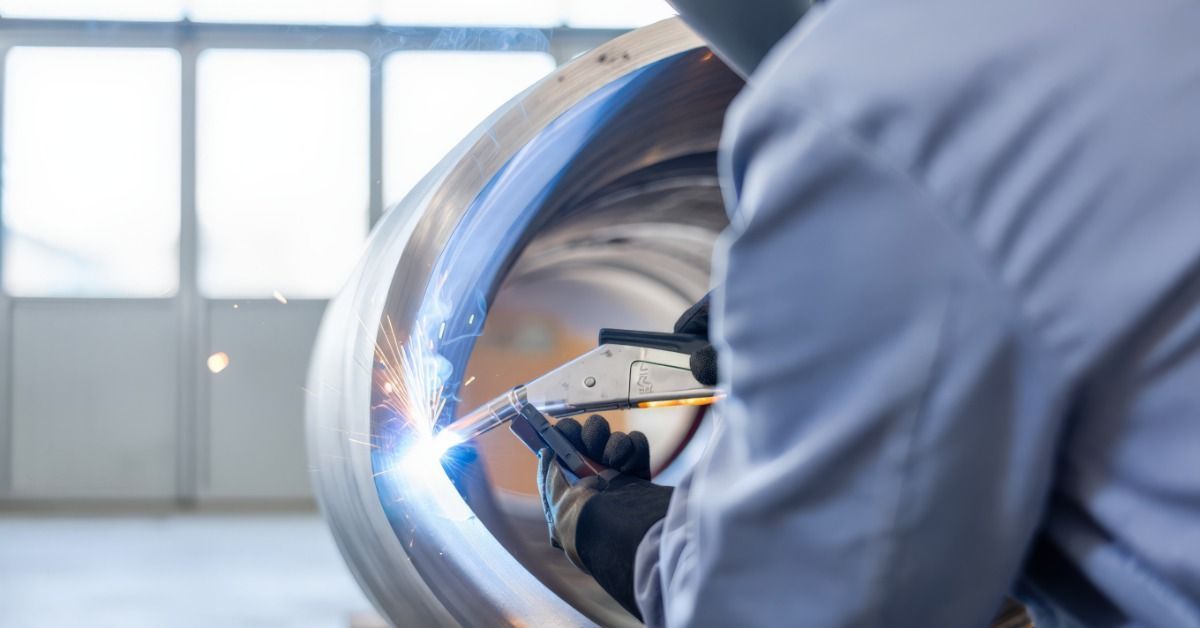
Connection placement requires similar coordination because the jacket needs defined locations for the circulating medium to enter and exit. Those locations should correspond with the intended flow path while accommodating other components positioned around the vessel.
Resolving these relationships during design gives the fabrication team coordinated dimensions instead of requiring changes after jacket production begins. This coordination becomes more important as the number of vessel features increases because every interruption in the available surface can affect jacket boundaries, connections, or the planned circulation route.
Translate Design Requirements Into Fabrication Details
Fabricating a jacket requires more information than the vessel's dimensions. The project team needs to communicate the jacket boundaries, material specifications, connection locations, operating requirements, and other construction details established during engineering.
When working with a dimple jacket manufacturer, providing those specifications gives the fabricator a defined basis for producing the required heat-transfer surface. The manufacturer can then translate the approved jacket geometry into fabricated components without determining the system's engineering requirements independently.
Clear fabrication information becomes particularly important when the vessel includes multiple connections or irregular jacket boundaries. Resolving those details before production allows the jacket configuration to correspond with the planned equipment layout.
Plan Cryogenic Jacketing Around the Complete Storage System
Cryogenic jacketing for liquid gas storage requires coordination between the jacket’s thermal function and the mechanical requirements of the surrounding equipment. Jacket coverage determines where thermal exchange occurs, while the planned flow path controls how the heat-transfer medium circulates through that area. Engineers must account for the vessel configuration as they establish these requirements for fabrication.
Coordinating the jacket with the complete vessel design before production allows project teams to resolve potential conflicts with connections and other equipment features. The resulting specifications give the manufacturer a clear basis for translating the required thermal performance into the appropriate jacket geometry. This approach keeps fabrication decisions connected to the operating needs of the storage system.
CMPI fabricates stainless steel heat-transfer surfaces, including dimple jackets, for industrial applications. By providing the established design requirements before fabrication, project teams can coordinate the jacket configuration with the vessel and its intended operating conditions. Contact CMPI to discuss incorporating your thermal and mechanical specifications into a custom-fabricated jacket assembly.