
Friction Loss Differences in Polished Pipe Runs

As fluid moves through an industrial piping system, interactions with the pipe wall create resistance along the flow path. Because variations in the interior surface affect the boundary where the fluid and pipe meet, surface condition can contribute to that resistance. Polishing reduces the prominence of surface irregularities and creates a smoother internal profile.
Although interior finish can affect fluid movement, friction loss differences in polished pipe runs depend on the complete system. Pipe dimensions and operating conditions influence fluid movement, while fittings and changes in direction introduce resistance elsewhere. Evaluating these conditions together allows engineers to determine how the specified finish fits within the piping design.
How Interior Surface Condition Affects Flow
Where fluid travels along the interior pipe wall, surface irregularities create a different boundary than a smoother polished surface. By reducing those irregularities, polishing changes the surface encountered by the moving fluid and can affect resistance along the pipe wall.
Because the influence of surface condition varies with system requirements, engineers should evaluate the finish within the intended application. This approach keeps polishing connected to the conditions governing fluid movement rather than treating it as an independent solution for friction loss.
Consider the Complete Piping Run
While interior finish affects the interaction between the fluid and pipe wall, resistance can develop throughout the piping run. As fluid passes through fittings, valves, or changes in direction, the system configuration introduces additional resistance.
For that reason, specifying stainless steel piping with a polished interior does not determine the friction characteristics of the entire run. Evaluating the complete configuration allows project teams to consider surface finish alongside other design conditions.
Match the Finish to the Application
Because industrial piping applications operate under different conditions, they do not necessarily require the same degree of polishing. The appropriate finish depends on the established application requirements and the importance of interior surface condition within the piping design.
When project teams establish those requirements before fabrication, the polishing specification serves a defined purpose. This approach supports an appropriate finish without assuming that a smoother surface provides the same value for every pipe run.
Specify Polished Pipe With the Flow System in Mind
When evaluating friction loss differences in polished pipe runs , engineers should consider surface finish as part of the complete piping design. By reducing irregularities along the pipe wall, polishing changes the boundary encountered by the moving fluid, although the significance of that difference depends on the system's dimensions and operating conditions.
Since fittings and changes in direction contribute resistance beyond straight pipe sections, polishing alone cannot determine overall friction loss. Evaluating the complete flow path allows project teams to establish finish requirements that correspond with the intended application.
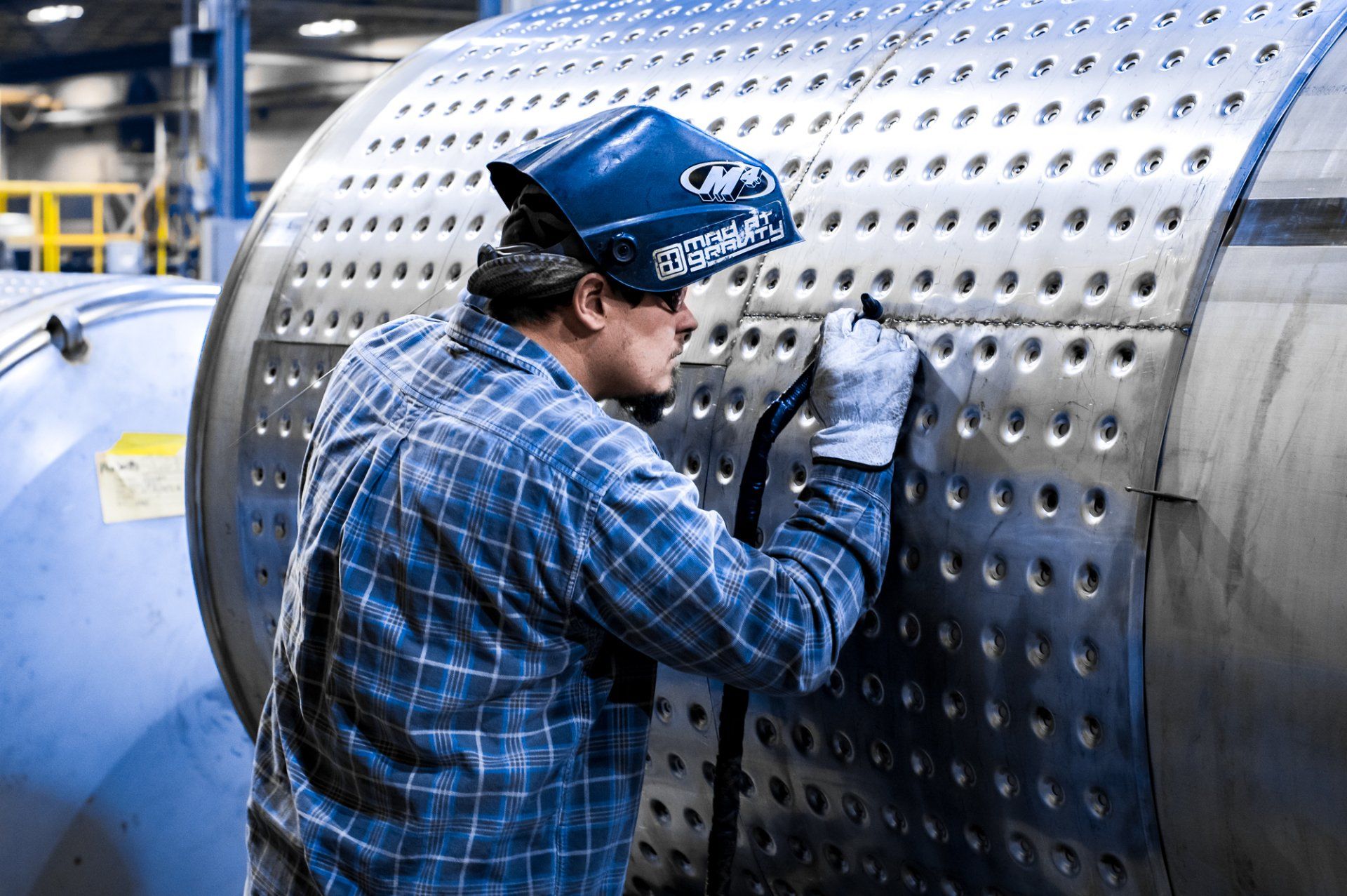
With clear specifications in place, fabricators can produce the required surface without adding finishing requirements that do not support the project. CMPI provides stainless steel pipe polishing and fabrication for industrial applications. Contact CMPI to discuss the polishing and fabrication requirements for your piping project.