
Laser Cut Kerf Allowances for Tight Tube Fitment
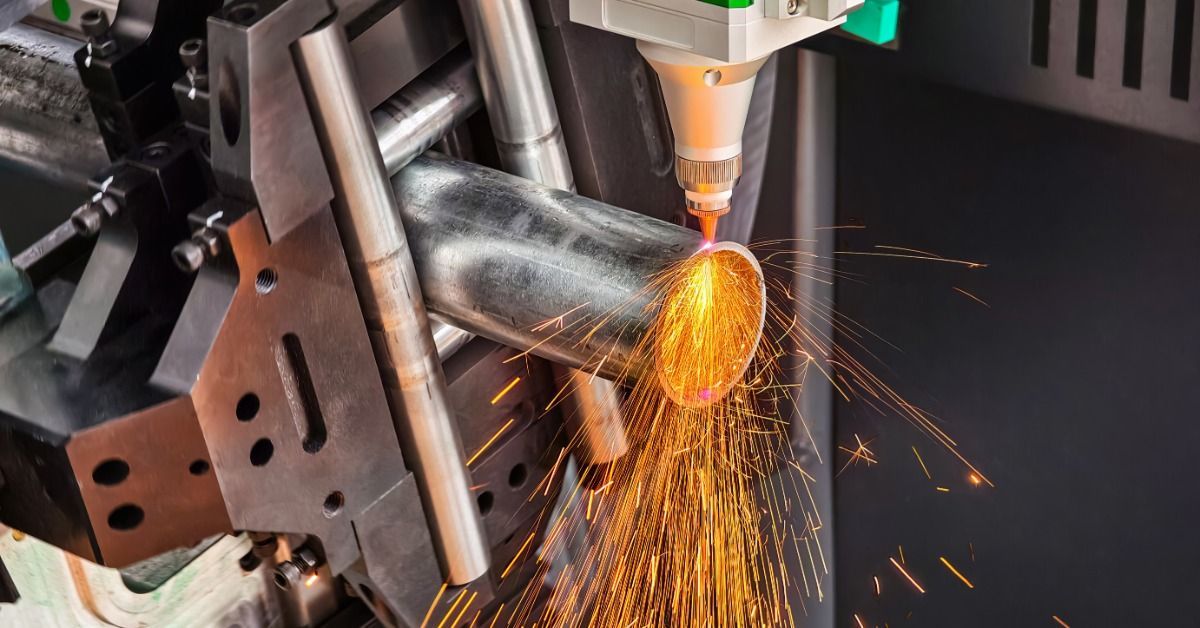
Laser cutting allows fabricators to produce precise tube features, but the cutting process removes a narrow amount of material as the laser follows its programmed path. Because this removed material creates the kerf, the location of the finished cut edge can differ from the original programmed geometry unless the fabrication process accounts for that change. The difference becomes especially important when cut features must align closely with adjoining components.
Laser cut kerf allowances for tight tube fitment account for material removal before the tube reaches assembly. When mating features require close alignment, fabricators need to consider how the programmed cut will translate into the finished edge after material has been removed. Incorporating that relationship into production planning allows the resulting features to correspond more closely with the dimensions and joint geometry required for assembly.
Account for Material Removed During Cutting
As the laser follows the programmed path, it removes material along the cut and creates a gap between the resulting edges. Because that gap affects the dimensions of the finished feature, fabricators must consider the material removed when establishing the cutting path.
When the cut creates a mating surface or opening, the relationship between the programmed geometry and finished edge becomes particularly important. Accounting for kerf during programming allows the resulting feature to correspond more closely with the dimensions required when components come together.
Consider Tube Geometry at the Joint
Unlike flat material, tubing presents a curved surface that affects how adjoining components meet at the joint. When a laser-cut profile follows that curvature, both the cut geometry and the material removed during cutting influence the resulting fit.
For custom stainless steel tubing that requires close fitment, fabricators need to coordinate kerf allowance with the specified joint geometry. Even when the laser follows the programmed path accurately, the finished feature must still correspond with the dimensions and mating configuration established for the assembly.
Match Kerf Allowance to the Cutting Setup
Because cutting conditions can influence the resulting kerf, fabricators should not assume that one adjustment applies to every tube or production setup. Changes in the material, tube configuration, or cutting parameters can affect how much material the process removes along the programmed path.
By establishing compensation around the conditions used to produce the component, fabricators can account for the expected relationship between the programmed geometry and finished cut. This approach keeps the kerf allowance connected to the actual production process.
Plan Tight Fitment Before Production
When planning laser cut kerf allowances for tight tube fitment, fabricators can address material removal before it affects assembly. The programmed geometry must anticipate where the finished edges will fall after cutting, particularly when those edges create mating surfaces that need to correspond with another component.
CMPI provides custom stainless steel tube fabrication for industrial applications, allowing established dimensions and fitment requirements to guide production. Contact CMPI to discuss the laser cutting and fabrication requirements for your stainless steel tubing project.