


Leveraging Pillow-Plate Materials in Architectural Heating
The pursuit of efficiency and sustainability drives innovation in building design and construction. Pillow-plate technology, a highly effective form of heat exchanger, presents a compelling solution for modern architectural heating systems. By understanding the functional principles and diverse applications of this technology, general contractors and fabricators can deliver advanced, energy-efficient heating solutions for commercial, industrial, and high-end residential projects.
Explore the technical advantages and practical applications of leveraging pillow-plate materials in architectural heating. Examine how their unique construction contributes to superior thermal performance, their compatibility with renewable energy systems, and their potential as integrated architectural elements.
What Are Pillow-Plate Heat Exchangers?
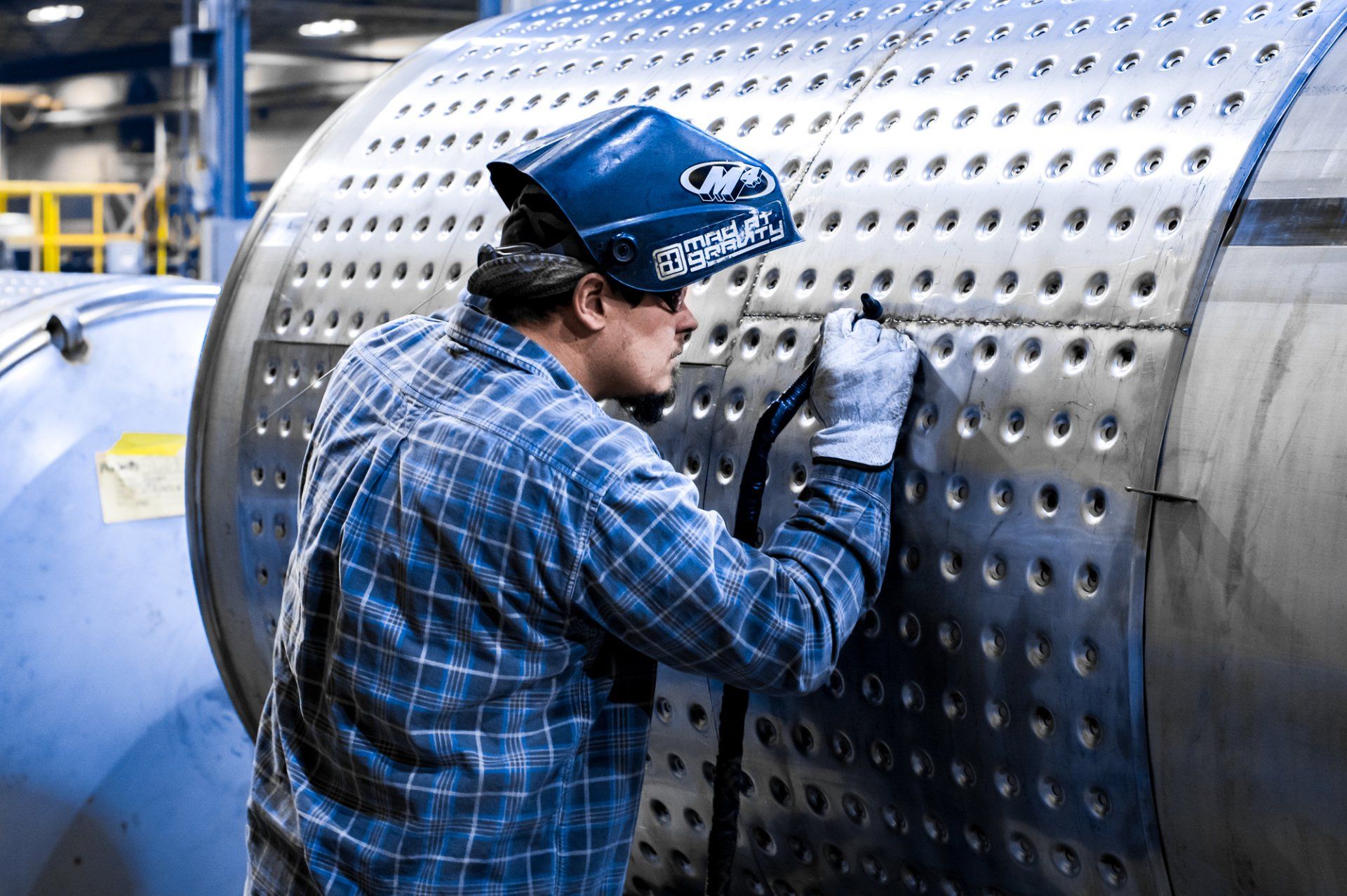
Manufacturers construct pillow-plate heat exchangers by welding two thin metal sheets, typically stainless steel, in a custom pattern. Then high-pressure water hydroforms one or both sheets, inflating the sections between the welds. This process creates a series of channels or "pillows" that allow fluid to flow through, facilitating highly efficient heat transfer between the fluid and the plate's surface.
The design creates a large surface area for heat exchange within a compact and structurally sound panel. The continuous, fully welded construction creates a leak-proof and durable product that withstands internal pressures and external loads. This inherent strength and efficiency make pillow-plates a versatile component for a wide range of heating and cooling applications.
Advantages of Architectural Heating
Integrating pillow-plate technology into architectural heating systems offers several distinct advantages over conventional methods like radiators, baseboard heaters, or forced-air systems. These benefits span performance, sustainability, and design freedom.
Superior Thermal Efficiency and Performance
The primary advantage of pillow-plate materials is their exceptional heat transfer capability. The inflated channels create turbulence in the flowing fluid, which maximizes thermal exchange with the plate's surface. This high efficiency means that heating systems can operate effectively, even at lower fluid temperatures when compared to traditional radiators.
Lower operating temperatures directly translate to reduced energy consumption and lower operational costs over the building's lifespan. For general contractors, this is a great selling point for clients wanting long-term value and sustainability. The system can achieve and maintain desired indoor temperatures more quickly and with less energy, leading to a more responsive and comfortable environment for occupants.
Seamless Integration with Renewable Energy Sources
The move toward greener building practices has made compatibility with renewable energy a consideration for every business. Pillow-plate systems excel in this area, with their ability to operate efficiently with low-temperature water. Making them an ideal match for renewable energy technologies, like solar thermal collectors and geothermal heat pumps.
For example, a geothermal system can supply low-grade heat to a network of pillow-plate radiant panels, providing consistent and nearly carbon-neutral heating. Similarly, solar thermal systems can store heated water that circulates through pillow-plates in floors or walls, releasing stored energy as needed. This allows designs that reduce reliance on fossil fuels and minimize their environmental footprint.
Design Versatility and Aesthetic Integration
Beyond their technical performance, pillow-plate panels offer aesthetic flexibility. Unlike bulky radiators or visible HVAC vents that can disrupt an architectural vision, these panels can seamlessly integrate into the structure.
Common applications include:
- Radiant Floor Heating: Embed pillow-plates within concrete slabs or under finished flooring, providing invisible and exceptionally comfortable radiant heat from the ground up.
- Radiant Wall and Ceiling Panels: Mount panels behind drywall or use as finished, visible surfaces. When used visibly, their clean aesthetic looks like a deliberate architectural feature, particularly in modern and industrial design schemes.
- Building Façade Integration: In more advanced applications, incorporate pillow-plates into a building’s curtain wall or façade system, serving as a thermal barrier or an active heating element.
This versatility empowers designers to work without the typical constraints imposed by conventional heating hardware. Also, contractors benefit from this streamlined installation process, as the integrated systems reduce the complexity of a separate HVAC installation.
Practical Applications for Contractors and Fabricators
Understanding the practical implementation of pillow-plate heating systems can assist in a successful project execution. The customizability of these components offers solutions across various building types.
Custom Fabrication for Project-Specific Needs
Pillow-plate panels are custom-fabricated to meet the specific requirements of each project. This process involves defining the panel dimensions, material thickness, weld pattern, and connection points. For fabricators, this presents an opportunity to add value.
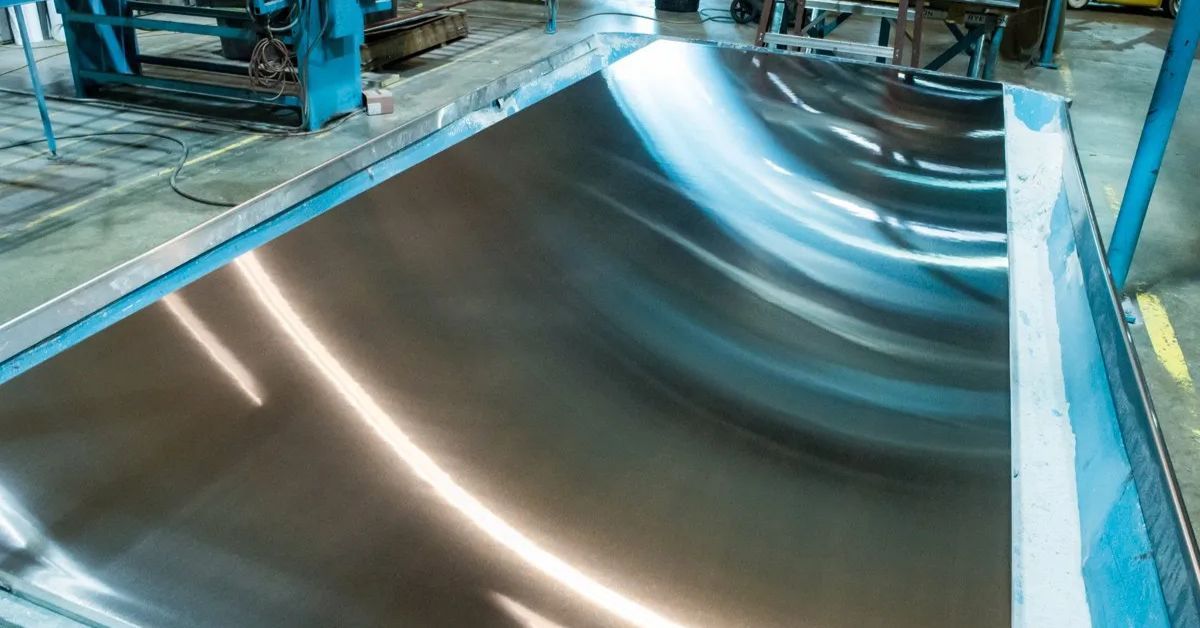
Working with a skilled fabrication partner simplifies the process. They begin with detailed drawings and specifications, then use advanced welding and forming techniques to create the panels. For the final product to meet all performance and dimensional tolerances, source high-quality stainless steel plates cut to size. The choice of material, often 304 or 316L stainless steel, depends on the project’s specific needs for corrosion resistance and hygiene.
Installation Considerations
For general contractors, coordinating the installation of pillow-plate systems requires careful planning. When used for radiant floor heating, you have to lay out the panels and connect them before pouring the concrete or installing the flooring. For wall and ceiling applications, coordinate with framing and finishing tradesmen for proper mounting and a seamless final appearance.
The plumbing connections are straightforward for qualified HVAC technicians, typically involving standard manifold and piping configurations. Because the system operates as a closed loop, it requires proper filling, purging, and pressure testing for long-term, trouble-free operation.
The Future of Architectural Heating
As energy codes become more stringent and client demand for sustainable, high-performance buildings grows, innovative solutions, such as pillow-plate heating systems, will become more prevalent. Their combination of efficiency, design flexibility, and compatibility with renewable energy makes them a forward-looking choice for any project. By understanding this technology, contractors, designers, and fabricators can position themselves as leaders in the construction of next-generation buildings.
The ability to deliver a heating system that is highly efficient and architecturally integrated provides a competitive advantage. Pillow-plate technology moves heating from a purely functional utility to an integral part of the building's design and performance strategy.
Experience Excellence With CMPI’s Expertise
At Custom Manufacturing & Polishing (CMPI), we specialize in the custom fabrication and polishing of stainless steel components for a wide range of industries, including architecture and construction. Our expertise in working with stainless steel and leveraging pillow-plate materials in architectural heating allows us to deliver high-quality, precision-fabricated products for your most demanding projects.
If you are exploring the use of pillow-plate technology or have other custom stainless steel fabrication needs, our team is ready to assist. Contact us today to discuss your project specifications and learn how our advanced manufacturing capabilities can bring your vision to life.