



Capturing Waste Heat for Food and Chemical Plant Operations
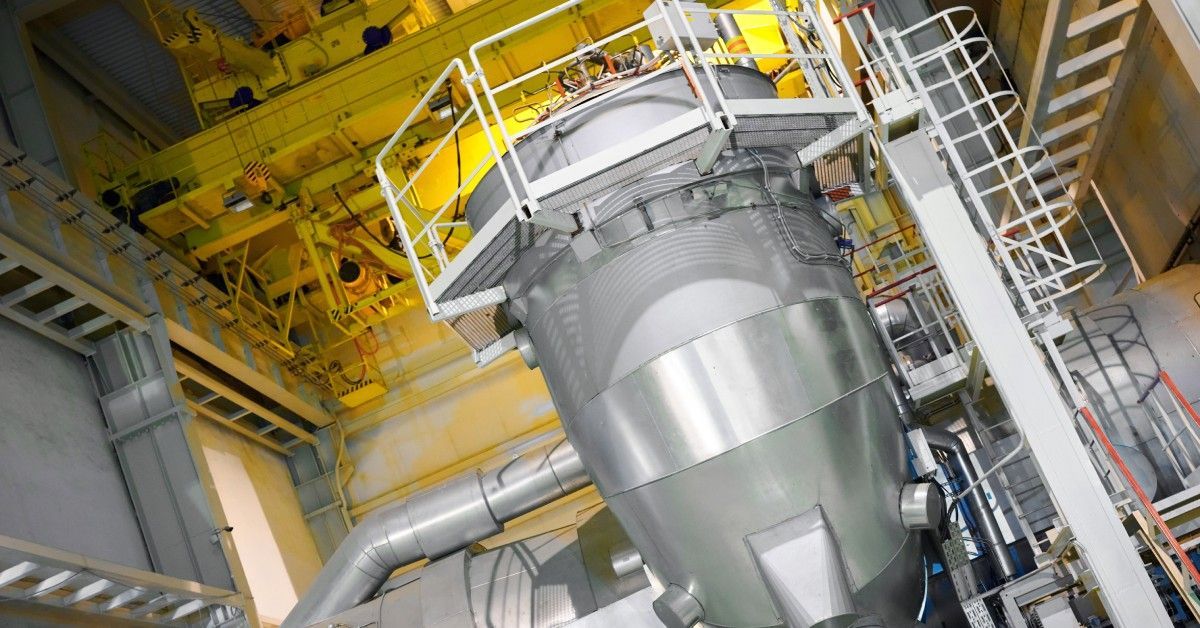
Industrial processes in food and chemical plants generate immense amounts of thermal energy. This energy, often referred to as waste heat, is frequently released directly into the atmosphere, representing a substantial loss of operational efficiency and a missed opportunity for cost savings. Implementing effective recovery systems captures waste heat for food and chemical plant operations and repurposes this valuable thermal energy, turning a byproduct into a productive asset. This approach enhances sustainability and directly impacts the bottom line by reducing primary energy consumption.
Sources of Waste Heat in Food and Chemical Plants
Food processing operations, such as baking, pasteurizing, and drying, can produce considerable heat. Similarly, chemical plants generate waste heat from reactors, distillation columns, and various combustion processes.
Since this is a source of waste heat, experts capture thermal energy through several established methods. Heat exchangers, for example, are a technology in this field that facilitates the transfer of thermal energy from a high-temperature fluid or gas stream to a cooler one without direct contact between the two. The efficiency of this process depends on the design and material of the heat transfer surface, which requires engineering for maximum thermal conductivity and durability.
How Waste Heat Recovery Works
The recovered energy has numerous applications within a plant. A common use is preheating water for cleaning, sterilization, or boiler feedwater. This simple application can dramatically lower the fuel required to bring water up to the target temperature. In other scenarios, captured heat can preheat raw materials before they enter a reactor or dryer, optimizing the primary process and increasing throughput. For low-grade waste heat, technologies like the Organic Rankine Cycle (ORC) can convert thermal energy into electricity, powering auxiliary systems and further reducing reliance on the grid.
Maximizing Thermal Efficiency in Recovery Systems
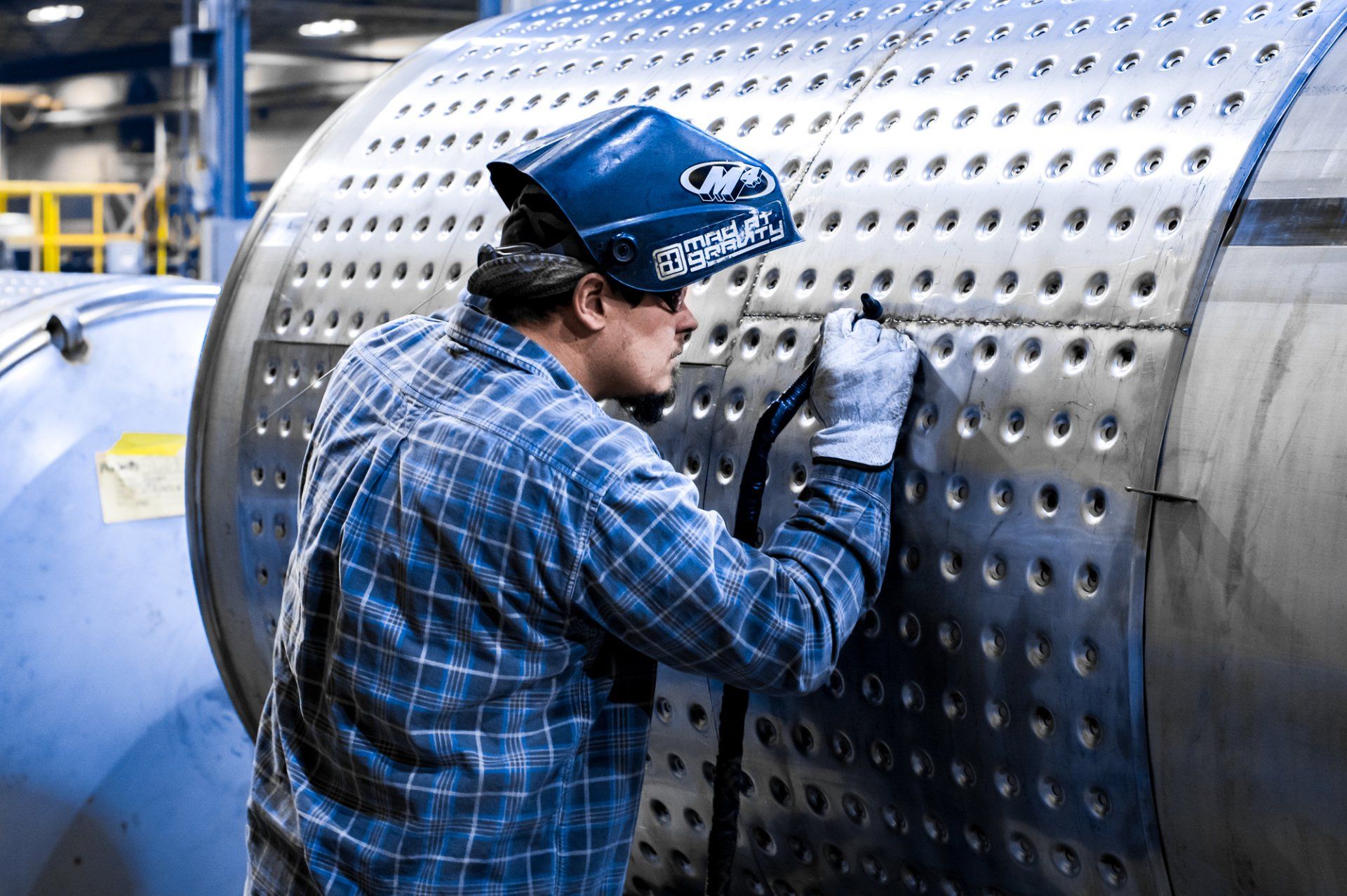
Integrating waste heat recovery systems requires careful planning and custom fabrication for seamless integration with existing infrastructure. The design must account for the specific temperature, volume, and composition of the waste heat stream. And materials used must resist corrosion and fouling, particularly in the harsh environments of chemical plants. Stainless steel is the material of choice for its robustness, hygienic properties, and excellent thermal performance.
Applications of Recovered Heat
By investing in waste heat recovery, operators can achieve significant reductions in energy costs, lower greenhouse gas emissions, and improve overall plant efficiency. This strategic move strengthens operational resilience and demonstrates a commitment to sustainable manufacturing practices.
Partner With Custom Manufacturing & Polishing Inc.
For your next plant upgrade or new construction project, consider the long-term value of custom-fabricated waste heat recovery solutions. Capturing waste heat for food and chemical plant operations drives engineers to design systems that deliver efficiency, durability, and seamless integration.
Partner with experts in stainless steel polishing and custom fabrication to ensure your system meets the highest standards of quality and performance. Contact Custom Manufacturing & Polishing today to discuss how our specialized services can hone your facility's energy efficiency.