



Microbially Induced Corrosion in Stainless Piping
Stainless steel resists many forms of corrosion through a protective passive film, but biological activity can alter conditions at the metal's surface in ways that challenge that protection. Microbially induced corrosion in stainless piping develops when microorganisms colonize a surface and create localized environments that change electrochemical activity. The resulting damage can remain concentrated beneath deposits or biofilm, making the process different from uniform corrosion across an exposed surface.
Water chemistry, flow conditions, and microbial activity all affect how these environments develop, while stainless steel alone does not eliminate the risk. Examining the biological mechanisms behind MIC gives engineers a clearer basis for evaluating localized damage in municipal, utility, and other water-handling piping systems.
Biological Drivers Behind MIC Formation
Microorganisms do not need to consume stainless steel directly to influence corrosion. Once microbial communities establish themselves at the metal-water interface, their metabolic activity can change local oxygen concentrations and produce substances that affect electrochemical reactions. Those changes create conditions at the surface that may differ considerably from the chemistry of the surrounding bulk water.
Different microbial communities influence corrosion through different mechanisms, so MIC does not follow one universal reaction pathway. Sulfate-reducing bacteria have received considerable attention because their activity can contribute to localized attack under anaerobic conditions, while other microorganisms can influence oxygen availability or surface chemistry. Engineers therefore need to evaluate the biological environment alongside conventional material and water-quality factors.
Biofilm Development on Stainless Surfaces
Microbial attachment begins when organisms adhere to a wet surface and establish colonies. As those colonies develop, they produce extracellular material that supports a biofilm, creating a boundary between the pipe surface and the flowing water. Conditions beneath that layer can differ from those elsewhere in the system because the biofilm affects chemical transport and microbial activity at the interface.
Stagnant water and low-flow conditions can encourage bacterial attachment and subsequent biofilm development. Horizontal piping that retains water, poorly drained low points, and systems containing untreated or inadequately treated water can create conditions associated with MIC risk. The resulting deposits can establish localized environments that become more corrosive than the surrounding water.
Bacterial Colonization and Surface Conditions
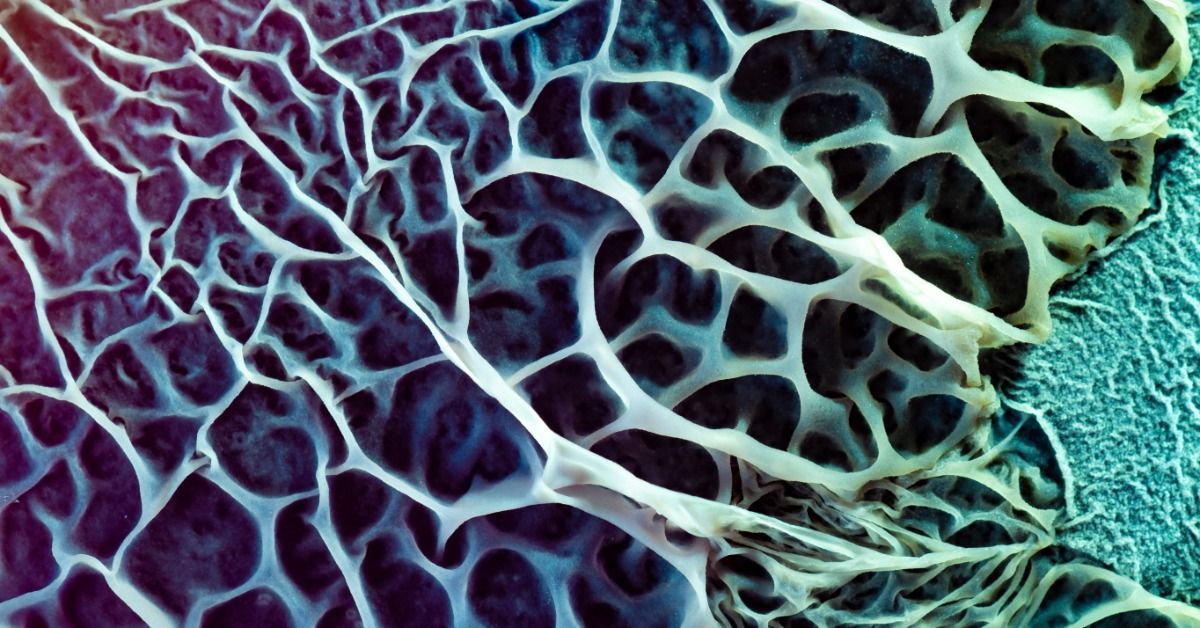
Surface conditions influence where microbial communities establish themselves and how those colonies develop. Deposits can provide protected areas for attachment, while irregularities and existing surface contamination may create additional sites where biological material accumulates.
Flow conditions matter because sufficient movement can limit deposit buildup, whereas stagnant areas give microorganisms greater opportunity to remain attached. Engineers evaluating a piping system should therefore consider where geometry or operating patterns create persistent low-flow zones, not simply whether microorganisms exist in the water.
Chemical Changes Beneath Biofilms
A mature biofilm creates a microenvironment with chemical conditions that may differ from those measured in the main water stream. Microbial respiration can alter oxygen availability near the stainless surface, while metabolic processes can generate sulfides, acids, or other compounds depending on the organisms and environment involved. These localized changes can affect electrochemical behavior without producing the same conditions throughout the pipe.
The distinction matters during system evaluation because bulk-water testing may not fully describe conditions beneath a deposit. Corrosion can concentrate at the interface where biological activity changes local chemistry, even when measurements elsewhere in the piping appear less aggressive.
Environmental Conditions That Increase MIC Risk
Water movement strongly influences the environment available for microbial growth. Dead legs, poorly drained sections, and other areas with limited circulation can retain water long enough for deposits and biofilms to develop. Extended contact with untreated fresh water can further increase concern when the system lacks controls intended to limit biological activity.
Temperature and water chemistry can influence microbial communities as well, but engineers need to evaluate these conditions as part of the complete operating environment. A single parameter rarely explains MIC by itself because biological activity interacts with surface conditions and local electrochemistry. Examining where those factors converge provides more useful information than treating MIC as a general water-quality problem.
Anaerobic Conditions and Sulfate-Reducing Bacteria
Biofilm can create oxygen-depleted regions even when other portions of a system contain dissolved oxygen. Localized anaerobic conditions can support sulfate-reducing bacteria, which metabolizes sulfate and contributes to conditions associated with MIC.
Research on stainless steel has linked sulfate-reducing bacteria with localized pitting under anaerobic conditions. Their activity can alter electrochemical reactions at the metal interface, demonstrating why MIC assessment must account for conditions immediately beneath a biofilm rather than relying only on the broader system environment.
Localized Pitting and Passive Film Breakdown
Stainless steel derives much of its corrosion resistance from a thin passive film at its surface. MIC can challenge that protection locally when biofilm and deposits create chemical differences across the metal-water interface. Once localized conditions disrupt passive behavior, corrosion can concentrate within a small area instead of spreading uniformly across the pipe.
Pitting presents a particular concern because localized penetration can advance while much of the surrounding stainless surface remains intact. Visual appearance alone may therefore provide an incomplete picture of material condition. Surface finish can matter in this context as well, making the condition of polished stainless steel pipe relevant when evaluating areas where deposits or microbial communities may establish themselves.
Inspection and Monitoring for MIC
Identifying MIC requires more than finding corrosion in a system that contains microorganisms. Investigators need to connect the damage pattern with biological evidence and the environmental conditions that could support microbial activity. Localized pits beneath deposits, recurring attack in stagnant areas, or corrosion concentrated near retained water can provide reasons for a more focused investigation.
Industry guidance recognizes dedicated methods for detecting, testing, and evaluating MIC on pipeline surfaces. Effective assessment may combine physical inspection with microbiological and corrosion monitoring, so teams can evaluate both the observed damage and the conditions surrounding it. That combined approach reduces the risk of attributing every localized corrosion problem to microbial activity without sufficient evidence.
Engineering Strategies for Managing MIC Risk
Managing MIC begins by addressing the conditions that allow microbial communities and deposits to persist. System design can reduce stagnant zones and improve drainage, while operating practices can limit extended periods of retained water. Water treatment strategies may address microbial populations, although the method depends on the service environment and system requirements.
Surface condition deserves consideration alongside system operation because deposits can support localized biological activity. Cleaning practices that remove accumulated material can reduce environments where biofilm remains established, while circulation can limit sludge and deposit buildup. Engineers should base mitigation decisions on the identified mechanism instead of treating MIC as conventional corrosion with a biological label.
Building MIC Awareness Into Piping Decisions
Microbially induced corrosion in stainless piping requires engineers to examine conditions at the metal surface, where biological activity can create environments that bulk-water measurements may not reveal. Biofilm development, localized chemistry, and oxygen availability can alter corrosion behavior even when stainless steel maintains its passive protection across most of the system. Evaluating those mechanisms gives project teams a stronger basis for distinguishing MIC from other forms of localized attack.
When a project requires stainless piping with controlled surface characteristics, CMPI provides pipe polishing and fabrication capabilities for industrial applications. Contact CMPI to discuss stainless piping requirements for your next project.