


Thermal Calculators for Custom Tank Jacket Design
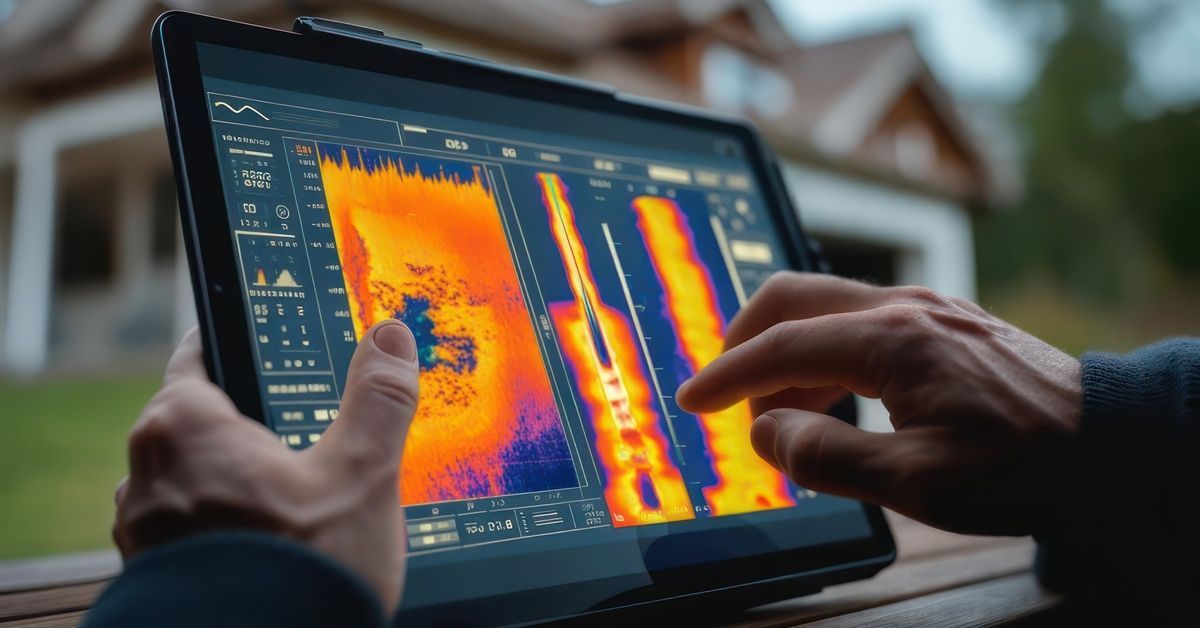
Designing heat transfer systems begins with accurate modeling, where thermal calculators for custom tank jacket design establish the relationship between process demands and mechanical specifications. Engineers rely on these tools to quantify heat transfer rates and evaluate how fluids behave under operating conditions before fabrication begins. Instead of relying on generalized assumptions, calculation-driven design connects operating conditions directly to material requirements and geometry. Reducing uncertainty during later stages depends on aligning fabrication tolerances and welding processes with calculated outputs.
Engineering Role of Thermal Modeling in Jacket Design
Thermal modeling defines how energy transfers between the process medium and the jacket, driving decisions around the surface area, flow configuration, and material thickness. Well-structured inputs produce data that supports precise sizing and reduces reliance on assumptions. Consistent control over these variables becomes increasingly important when systems operate within narrow temperature ranges or respond to fluctuating loads.
Required Inputs for Accurate Heat Transfer Calculations
Reliable outputs depend on complete and consistent input variables, including thermal conductivity and fluid viscosity, along with accurate operating temperature data. Missing or simplified inputs can distort results, which then propagate through the design process. As a result, engineers must validate assumptions early, since small deviations in properties can produce large differences in the required heat transfer area.
Flow Rate, Temperature, and Medium Properties
Flow dynamics directly affect how efficiently heat transfers across the jacket surface, especially as velocity changes modify boundary layer behavior. Temperature differentials drive heat exchange, while fluid composition controls the rate at which the system reaches equilibrium.
Translating Calculation Outputs Into Fabrication Specs
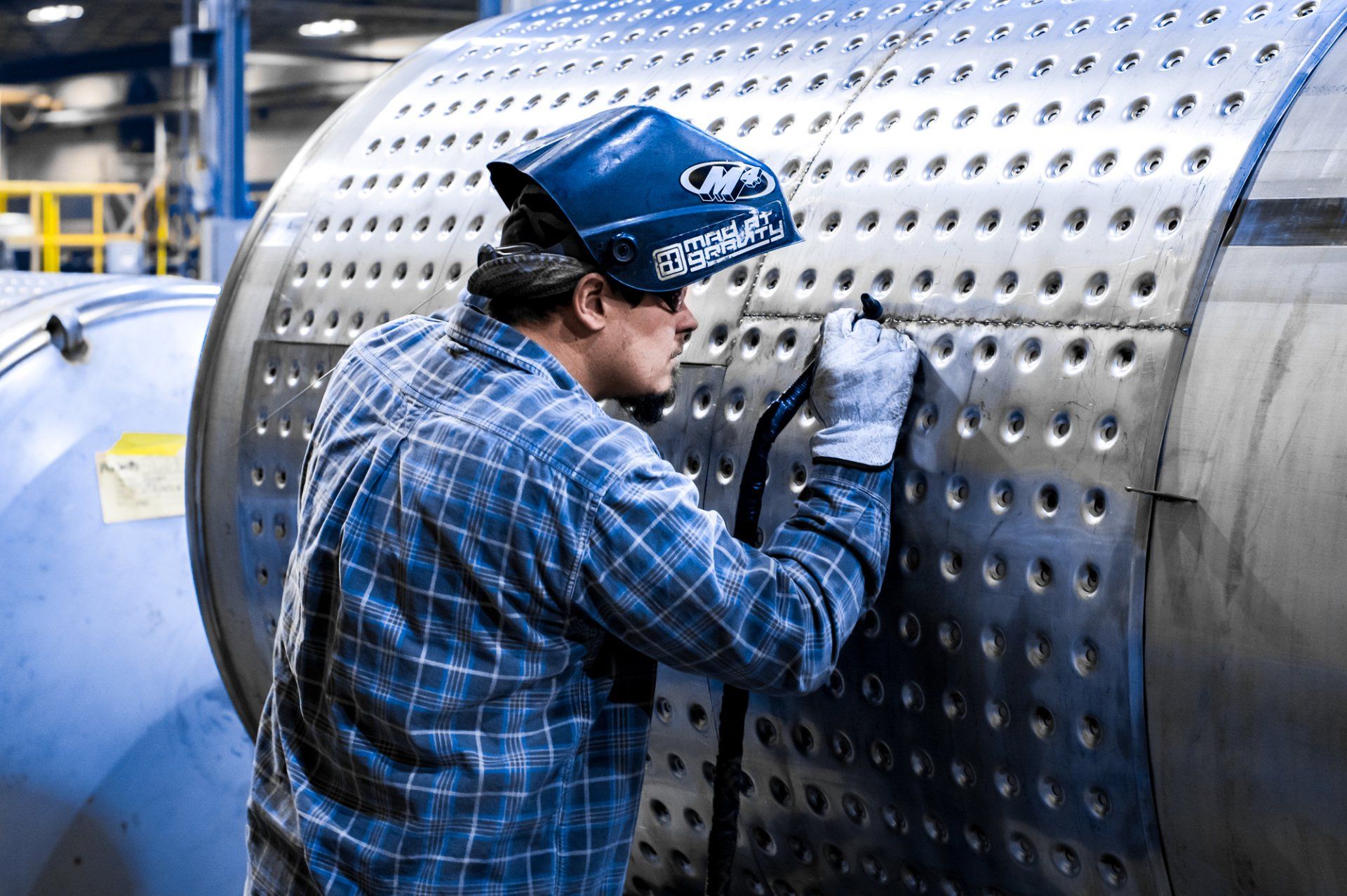
Engineers convert calculated performance requirements into fabrication parameters, such as channel spacing, plate thickness, and weld patterns. At this stage, dimple jacket welding must align with modeled heat transfer requirements, where weld geometry reflects the flow characteristics defined during calculation. Translating theoretical outputs into design parameters allows downstream fabrication to follow established performance targets without deviation.
Where Software Models Diverge From Production Constraints
Calculation tools operate within idealized conditions, yet fabrication introduces variables such as material deformation, weld distortion, and tolerance variation. Engineers must account for these factors during design, since they can shift performance outcomes. Coordinating engineering and fabrication teams closes the gap between modeled conditions and real-world production.
Aligning Design Calculations With Real-World Fabrication
Thermal calculators for custom tank jacket design provide a structured foundation for building efficient heat transfer systems, yet their value depends on how well outputs translate into manufacturable components. When calculation data aligns with fabrication realities, designs move from concept to production without unnecessary revision cycles. Attention to input accuracy and material behavior allows teams to maintain performance targets while accounting for fabrication-driven constraints.
Projects that rely on validated calculation inputs and consistent modeling approaches produce more predictable performance outcomes. If you are evaluating jacketed systems or refining heat transfer requirements, working with a team experienced in engineering analysis can improve design accuracy before production begins. Contact CMPI to discuss how engineered design and manufacturing alignment can support your next project.