

Navigating Unique Heat Transfer Needs of the Dairy Industry
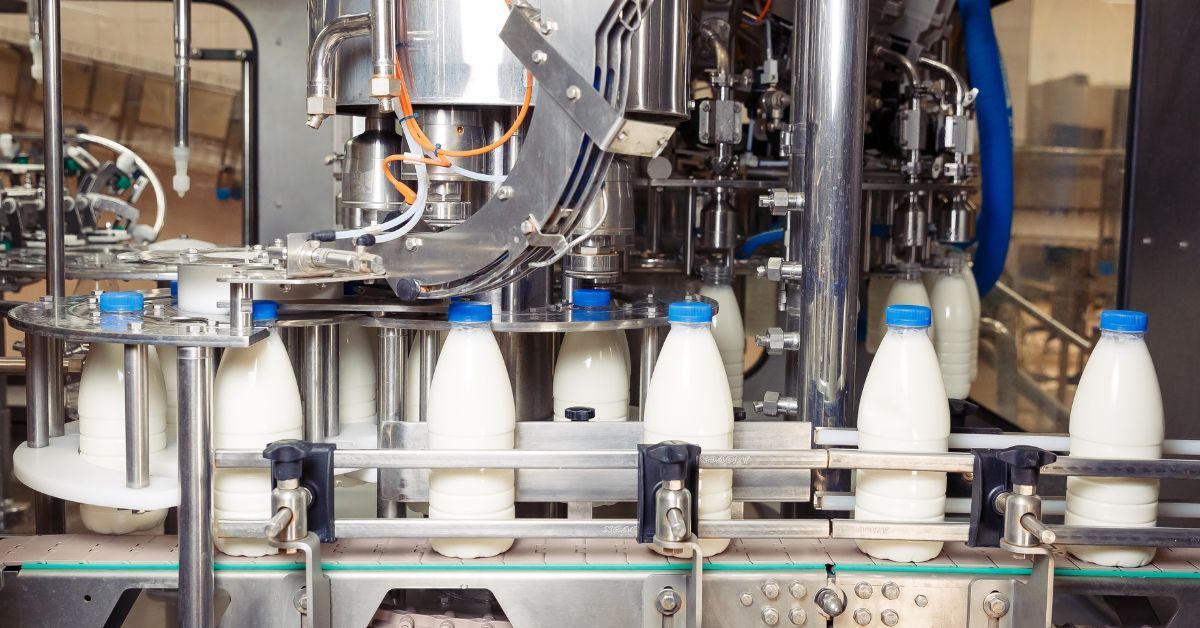
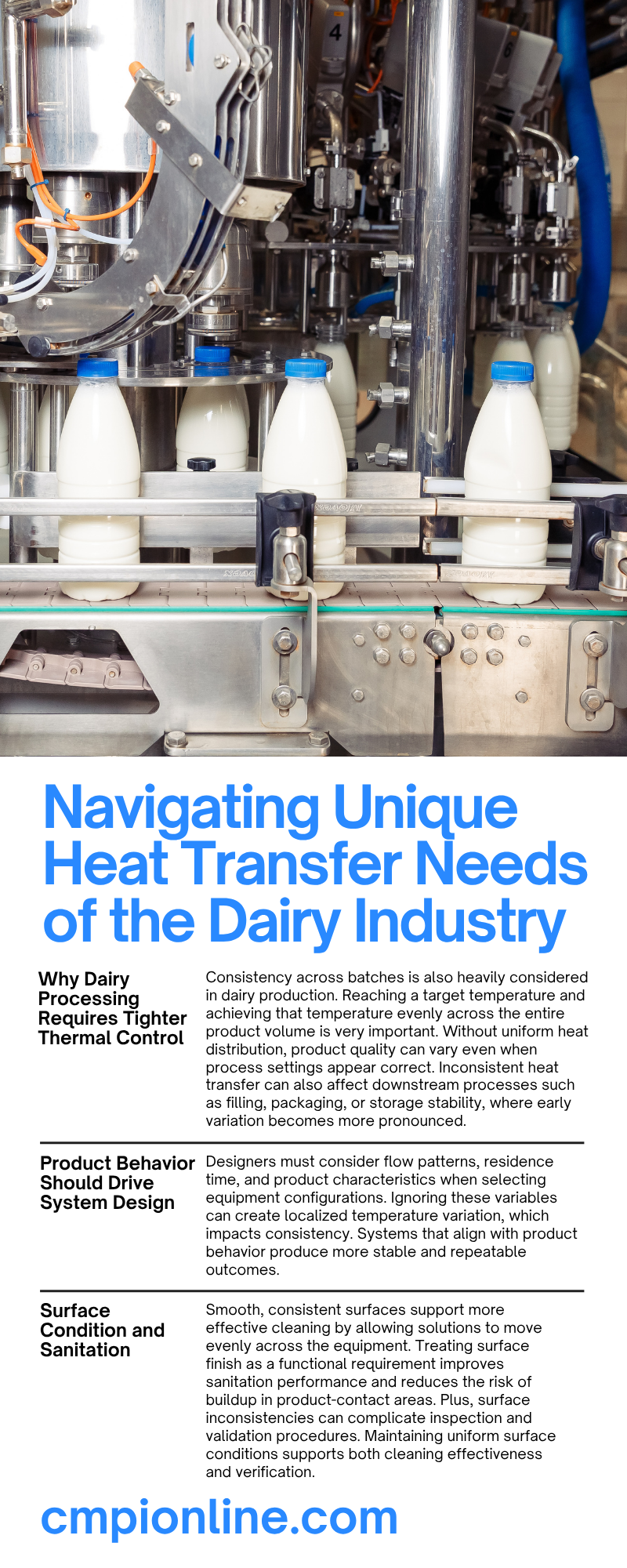
Heat transfer in dairy processing requires extensive standards in industrial applications. When processing products such as milk, cream, and cultured dairy, they can respond quickly to temperature changes, and even slight variations can alter consistency, stability, or shelf life. The equipment must regulate temperature precisely while maintaining product integrity across every stage of production.
When navigating unique heat transfer needs of the dairy industry, design decisions must account for more than thermal output alone. Fabricators must consider surface condition, product behavior, and fabrication quality, which all influence how a system performs in practice. Effective heat transfer depends on how well these factors align under real operating conditions.
Why Dairy Processing Requires Tighter Thermal Control
Dairy products behave differently than uniform industrial fluids because of their composition. Variations in fat content, protein structure, and viscosity affect how heat moves through the material. A system that performs well for one product may not deliver the same results for another, even under similar conditions. These differences require tighter process control than many standard industrial applications.
Consistency across batches is also heavily considered in dairy production. Reaching a target temperature and achieving that temperature evenly across the entire product volume is very important. Without uniform heat distribution, product quality can vary even when process settings appear correct. Inconsistent heat transfer can also affect downstream processes such as filling, packaging, or storage stability, where early variation becomes more pronounced.
Product Behavior Should Drive System Design
Different dairy products respond to heating and cooling at different rates. Thin liquids allow heat to transfer quickly, while thicker or higher-solids products resist temperature change and increase the likelihood of uneven distribution. These differences require systems designed around the specific behavior of the product.
Designers must consider flow patterns, residence time, and product characteristics when selecting equipment configurations. Ignoring these variables can create localized temperature variation, which impacts consistency. Systems that align with product behavior produce more stable and repeatable outcomes.
Surface Condition and Sanitation
Sanitation requirements in dairy processing place additional demands on equipment design. Surface irregularities such as pits, rough welds, or abrupt transitions can trap residue, making cleaning less effective. These areas become potential sources of contamination, and even minor surface defects can reduce cleaning efficiency in high-use systems.
Smooth, consistent surfaces support more effective cleaning by allowing solutions to move evenly across the equipment. Treating surface finish as a functional requirement improves sanitation performance and reduces the risk of buildup in product-contact areas. Plus, surface inconsistencies can complicate inspection and validation procedures. Maintaining uniform surface conditions supports both cleaning effectiveness and verification.
Designing To Reduce Cleaning Challenges
Design decisions can either simplify or complicate cleaning processes, for example, overlapping components, sharp internal corners, and poorly blended welds can create areas where material remains after processing. These features increase the difficulty of maintaining sanitary conditions.
So, simplifying geometry and minimizing transitions reduces the number of areas where residue can collect. Using this approach improves cleaning reliability and supports consistent sanitation over repeated production cycles.
How Jacket Design Affects Heat Transfer Performance
Jacketed vessels allow temperature-controlled media to circulate around product surfaces, enabling indirect heat transfer. While this is widely used, performance depends heavily on how evenly the media flows through the jacket.
Uneven flow distribution can create temperature differences across the vessel's surface, which affects product consistency. Designers must evaluate channel layout, flow direction, and pressure conditions to ensure uniform heat transfer.
Material Selection and Thermal Responsiveness
Material selection also influences how effectively a system transfers heat in dairy applications. Stainless steel remains the standard because it balances corrosion resistance with thermal conductivity, but not all grades behave identically under processing conditions. Variations in composition can influence how quickly heat moves through the material and how well it responds to repeated thermal cycling.
Beyond conductivity, material choice can affect its durability and long-term stability. Equipment exposed to constant heating, cooling, and cleaning must maintain structural integrity without warping or degrading. Selecting the appropriate material grade allows heat transfer to remain consistent, while supporting sanitation requirements and extending equipment lifespan.
Fabrication Quality Impacts Long-Term Performance
Fabrication decisions influence whether a system performs consistently, and variations in weld quality, material thickness, or component alignment can alter heat transfer behavior. These issues may not appear immediately but can affect efficiency and sanitation as the system operates.
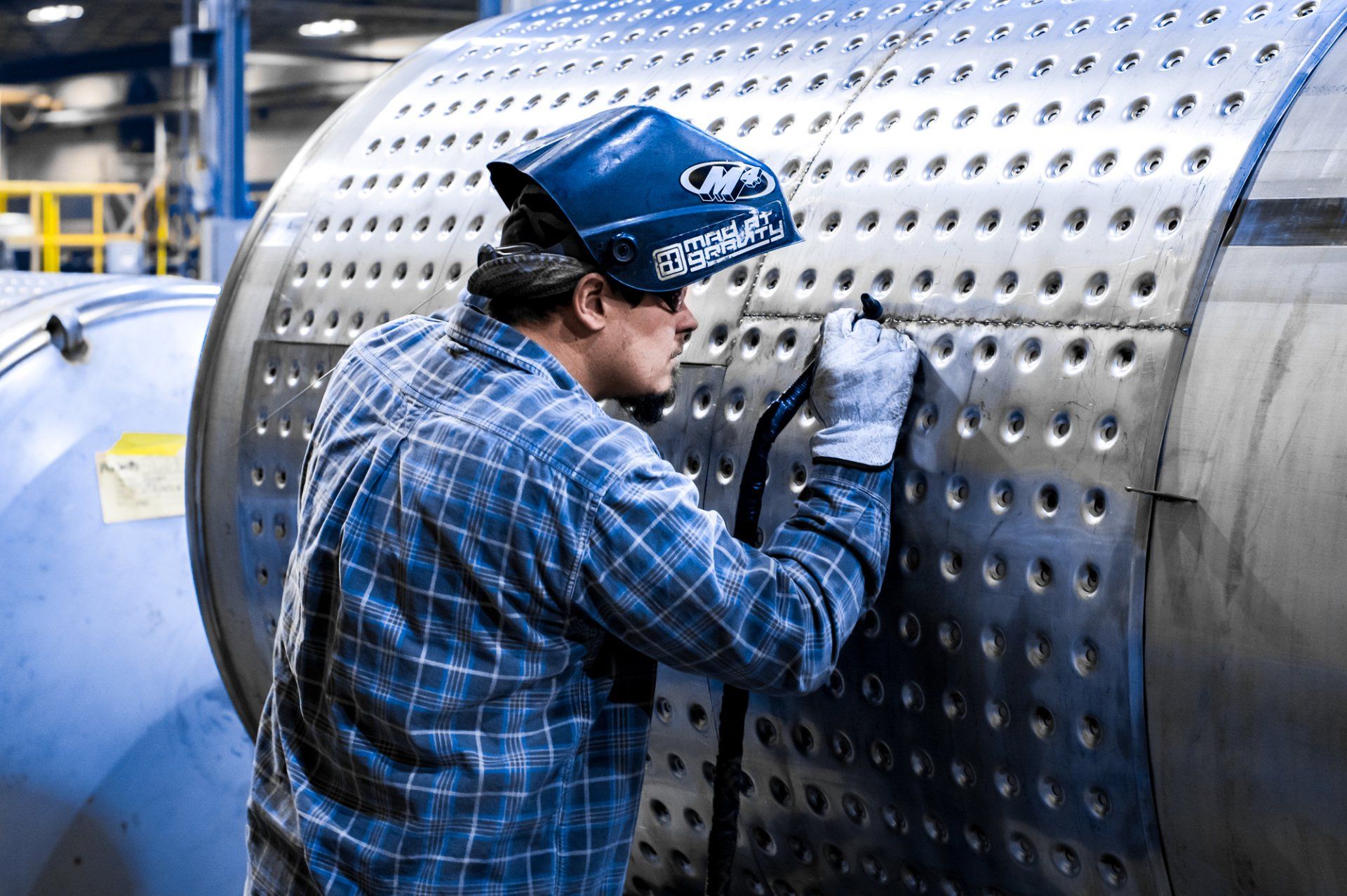
Processes, such as dimple jacket welding, require precise control to maintain consistent spacing and structural integrity. Variations in the pattern can disrupt media flow and reduce heat transfer efficiency. Maintaining fabrication consistency ensures that system performance aligns with design expectations.
Inspection Supports Reliability and Compliance
Inspections verify that fabricated components meet required standards before technicians place them into service. By evaluating weld integrity, surface condition, and material consistency, this ensures that equipment performs as intended in dairy environments.
Ongoing inspections also maintain performance, and repeated heating, cooling, and cleaning cycles can affect equipment with each use. Regular evaluation allows teams to identify potential issues early and address them before they impact production.
System Integration Determines Overall Stability
Heat transfer systems do not operate independently, and their performance depends on how well they integrate with piping, controls, and processing equipment. Poor integration can introduce variability even when individual components function correctly. These issues can become more noticeable as production demands increase.
While control systems regulate temperature, flow rates, and timing, this influences product consistency. Using a coordinated system design, these elements work together to maintain stable processing conditions. But misalignment between flow rates, control responses, and equipment capacity can introduce variability even in well-built systems. By addressing integration early in the design phase, this reduces these risks.
Supporting Reliable Heat Transfer in Dairy Applications
Successfully navigating unique heat transfer needs of the dairy industry requires alignment between design, fabrication, and system integration. Each element must contribute to consistent thermal performance while supporting sanitation and long-term reliability. Systems built with this level of coordination produce more predictable results across production cycles.
For projects involving heat transfer systems and welding, Custom Manufacturing & Polishing, Inc. works with manufacturers and engineers to support dairy processing applications. Contact their team to discuss system requirements and explore fabrication solutions that fit your operation.