



Ways to Make Your Stainless Steel Pipe More Sanitary
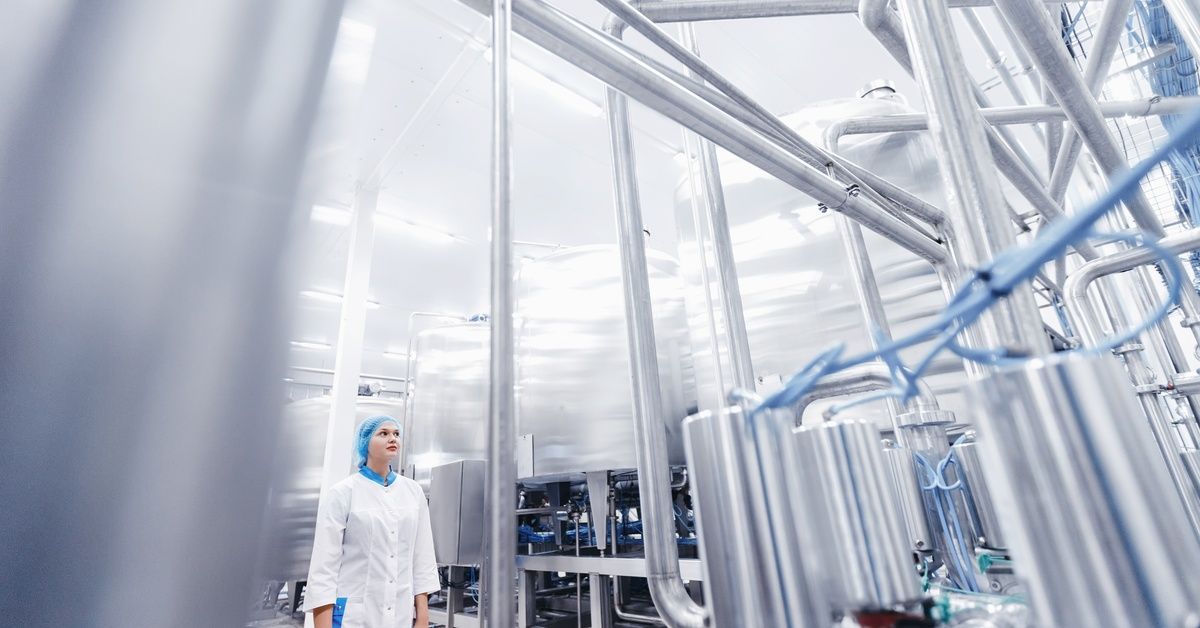
Maintaining sanitary piping systems begins long before equipment enters service. Material selection, fabrication quality, and surface condition determine how easily teams can clean and maintain a system throughout their lifespan. Overlooking these factors during planning may create challenges that become more difficult to correct after installation.
There are several ways to make your stainless steel pipe more sanitary, and many begin during fabrication. Small improvements made during manufacturing support more effective cleaning and reduce areas where residue collects.
Prioritize Smooth Interior Surfaces
The interior surface of stainless pipe determines how easily teams can clean the system. Rough surfaces or irregular transitions create areas where residue remains after processing, reducing cleaning consistency. Those conditions often require additional maintenance to restore sanitary performance.
Producing a smooth internal surface minimizes those opportunities for buildup. Consistent finishing allows cleaning solutions to contact the pipe more evenly, supporting more predictable cleaning results throughout the system.
Pay Close Attention To Weld Quality
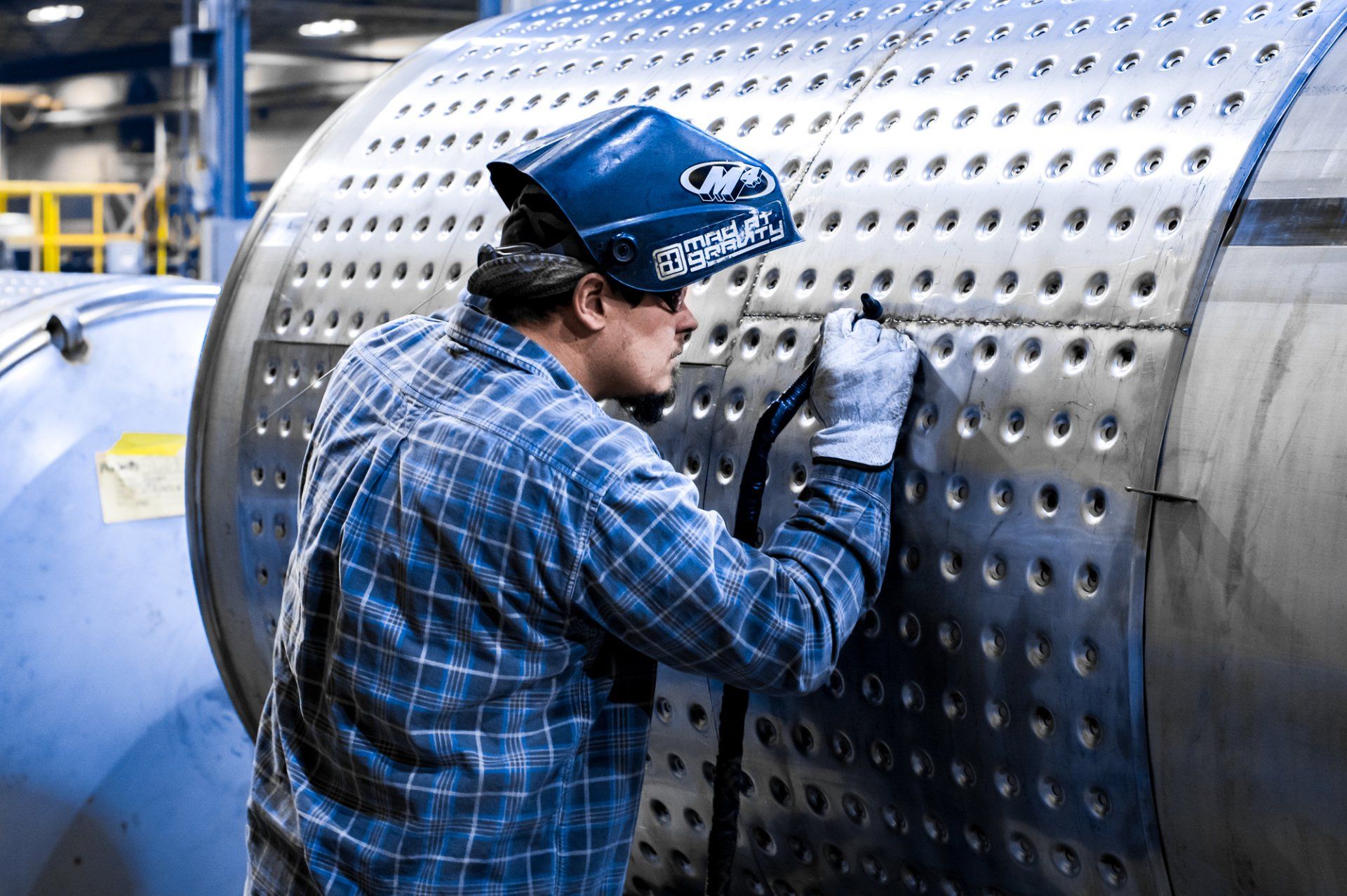
Welds represent one of the most important considerations in sanitary pipe fabrication. Uneven weld profiles, incomplete penetration, or excessive reinforcement can create areas where material accumulates. Even a well-designed system may become more difficult to clean if weld quality is inconsistent.
Proper weld finishing creates smoother transitions between joined sections of pipe. Maintaining consistency throughout the fabrication process improves cleanability while supporting the integrity of the piping system.
Eliminate Unnecessary Crevices
Engineers improve pipe system performance by minimizing unnecessary gaps and recessed areas. Small crevices can collect product residue or cleaning solution, making complete removal more difficult during routine maintenance. These areas may also complicate inspection because they are harder to access visually.
Careful fabrication and thoughtful component design reduce the number of locations where material can become trapped. Addressing these details before installation supports more effective sanitation throughout the life of the system.
Match Fabrication to the Application
Product characteristics, cleaning methods, and operating environments determine how manufacturers should address sanitary requirements during fabrication. Applying the same approach to every project may overlook application-specific needs.
Projects involving pipe fabrication benefit from evaluating sanitation requirements before manufacturing begins. Aligning fabrication methods with the intended application creates a piping system that better supports long-term cleanliness and maintenance.
Supporting Long-Term Sanitary Performance
Creating a sanitary piping system requires a thoughtful design that contributes to how effectively the system performs after installation. Addressing these factors during manufacturing reduces opportunities for contamination while supporting easier maintenance.
The most effective ways to make your stainless steel pipe more sanitary often begin before fabrication is complete. Careful planning and manufacturing decisions support cleaner, more maintainable piping systems from the start. For projects involving stainless steel pipe fabrication, Custom Manufacturing & Polishing, Inc. provides services tailored to application requirements. Contact their team to discuss your project and explore fabrication solutions designed to support sanitary performance.