

Understanding the Importance of Tube Wall Thickness Specs
When specifying tubing for fabrication, wall thickness often receives less attention than diameter or material grade, yet it directly influences how the component performs under real-world conditions. Rather than acting as a simple dimensional detail, thickness determines how the tube responds to stress, fabrication processes, and long-term environmental exposure. Overlooking this variable can introduce challenges that are difficult to correct once production begins.
Recognizing the importance of tube wall thickness specs allows project teams to evaluate how this single factor influences multiple aspects of performance and manufacturability. Decisions at this stage shape how fabrication teams produce the component and how it performs after installation, making early evaluation essential for consistent results.
How Wall Thickness Affects Structural Performance
In applications where tubing must withstand external loads or internal pressure, wall thickness becomes a primary factor in determining structural stability. Thicker walls increase resistance to deformation, allowing the tube to maintain its shape when exposed to demanding conditions. This becomes especially important in structural or load-bearing environments where even slight distortion can affect the system's performance.
At the same time, increasing thickness beyond what the application requires introduces trade-offs that extend beyond structural strength. Additional material increases weight, which may complicate handling, installation, or integration with other components. Balancing these competing factors requires a clear understanding of how much thickness is necessary to meet performance expectations without creating unnecessary inefficiencies.
The Role of Thickness in Fabrication Processes
Fabrication methods respond directly to changes in wall thickness, which means that even small adjustments can alter how material behaves during production. When bending thicker tubing, fabricators must account for increased resistance and often rely on more robust tooling to achieve the desired shape. In contrast, thinner materials may form more easily but require greater control to prevent distortion or unintended deformation.
These differences extend beyond forming operations and influence cutting, machining, and handling throughout production. Thicker materials demand more time and energy to process, while thinner materials require precision to maintain dimensional accuracy. Evaluating thickness early allows fabrication teams to select processes that align with material behavior.
Welding Considerations and Heat Control
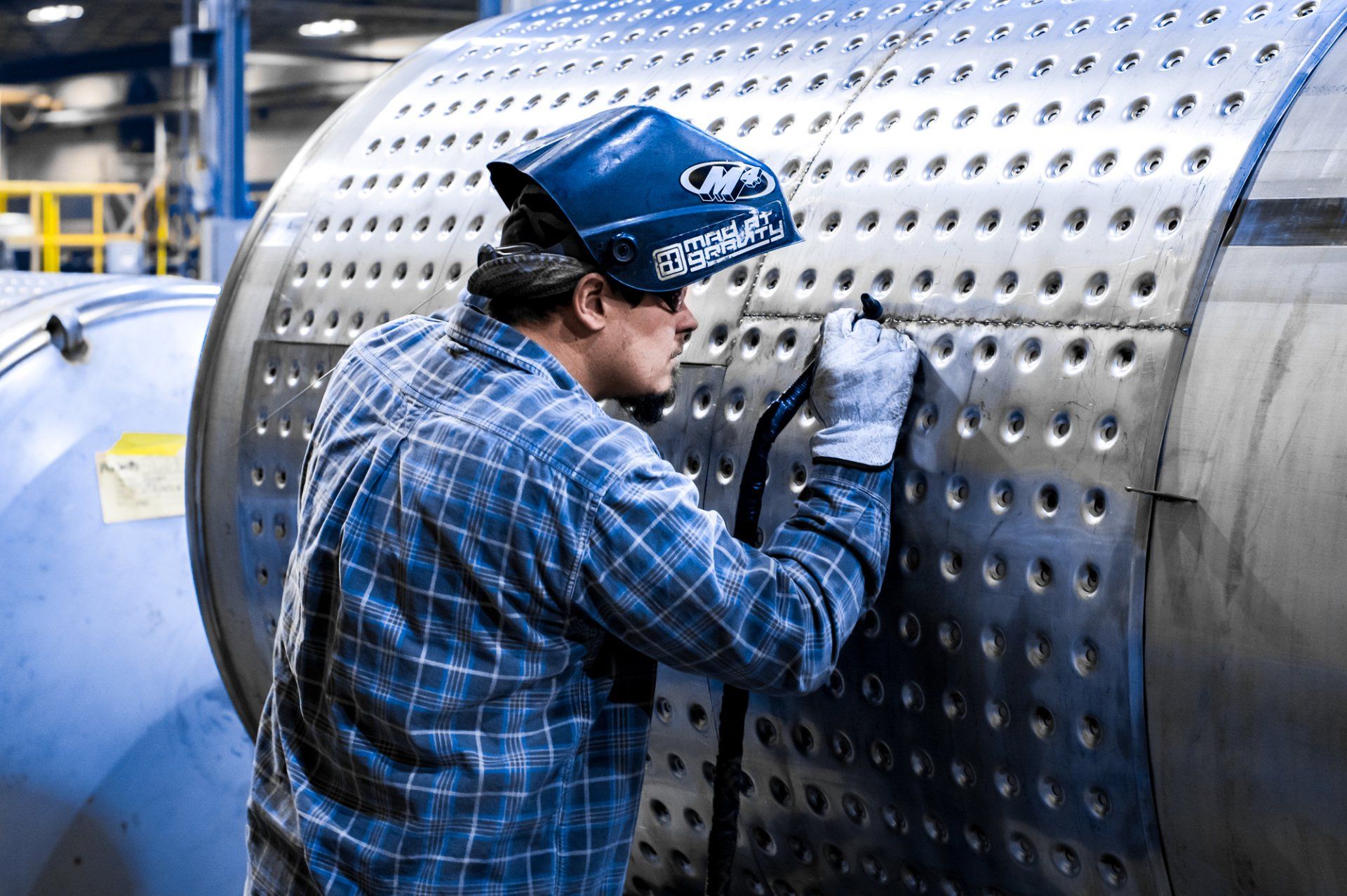
As wall thickness changes, welding procedures must adjust accordingly to maintain consistency and structural integrity. Thicker sections require greater heat input to achieve proper penetration, which increases the need for controlled welding techniques. Without proper planning, this additional heat can introduce distortion or affect adjacent material.
For thinner walls, the challenge shifts toward avoiding excessive heat input, which can lead to burn-through or weakening of the material. Achieving consistent weld quality depends on aligning thickness specifications with appropriate welding practices. When fabrication teams consider these factors together, they can produce joints that maintain both strength and dimensional stability.
Impact on Flow and Internal Performance
In systems where tubing supports fluid movement, maintaining consistent internal geometry becomes a critical consideration. While inner diameter directs flow characteristics, wall thickness helps the tube retain its shape under pressure. Any deformation or irregularity may disrupt flow patterns and reduce system efficiency.
Selecting an appropriate thickness preserves the intended internal profile, particularly in applications involving fluctuating pressure or demanding operating conditions. By maintaining structural stability, tubing can support more predictable flow behavior.
Weight, Cost, and Material Efficiency
Material thickness has a direct impact on both cost and overall efficiency, particularly in projects that involve large quantities of tubing. Increasing thickness raises material usage, which in turn affects procurement costs, transportation, and handling requirements. These factors can compound quickly when applied across multiple components or large-scale fabrication efforts.
Project teams improve outcomes by evaluating how much thickness the application requires instead of defaulting to thicker material for added security. Optimizing specifications allows for better cost control while still meeting performance requirements. This balance supports more efficient use of materials without compromising structural integrity.
Matching Specifications to Application Requirements
Because tubing applications vary widely, project teams must evaluate wall thickness based on how the application will use the component. Environmental exposure, load conditions, and fabrication requirements all influence what specification makes the most sense. Applying a uniform thickness across different projects often overlooks these variables and may lead to unnecessary complications.
Projects involving stainless steel tubing benefit from aligning thickness specifications with both performance expectations and fabrication methods. When fabrication teams evaluate these factors together, they produce components better suited to meet the demands of their intended application.
Tolerance Control and Dimensional Consistency
Maintaining consistent wall thickness throughout production supports better dimensional accuracy across fabricated components. Variations in thickness can affect how tubing responds during forming, which may lead to inconsistencies in final geometry. These differences become more noticeable when multiple parts must align within a single assembly.
By controlling thickness tolerances, fabrication teams can reduce variability and improve repeatability across production runs. Consistent material behavior allows processes to remain stable, which simplifies both fabrication and assembly. This level of control contributes to more predictable outcomes and fewer adjustments during production.
Interaction With Surface Finishing and Polishing
Wall thickness influences surface finishing processes, including polishing and refinement, in ways that are not always immediately apparent. Thicker materials can tolerate more aggressive finishing techniques without compromising structural integrity, while thinner walls require a more controlled approach to avoid altering dimensions or introducing inconsistencies.
Planning finishing operations alongside thickness specifications allows fabrication teams to achieve the desired surface condition without affecting performance. When fabrication teams align these considerations, they produce components that meet both functional and aesthetic requirements.
Supporting Reliable Long-Term Performance
The influence of wall thickness extends beyond fabrication and continues throughout the service life of the component. Tubing exposed to pressure, temperature fluctuations, or environmental stress must maintain its integrity. Selecting an appropriate thickness ensures that the material performs consistently under these conditions.
Evaluating long-term requirements during the specification stage reduces the likelihood of performance issues after installation. Project teams can make decisions that support durability and reliability from the outset by considering how the component will function in use.
Making More Informed Specification Decisions
Selecting tube wall thickness requires a balanced approach that considers structural demands, fabrication methods, and application-specific requirements. Treating thickness as a central design factor improves consistency throughout both production and performance. When project teams align specifications with real-world conditions, they make fabrication more predictable and efficient.
Recognizing the importance of tube wall thickness specs allows project teams to make more informed decisions before production begins. For projects involving custom steel tubing fabrication, Custom Manufacturing & Polishing, Inc. provides expertise tailored to specific requirements. Contact their team to discuss your project and explore solutions designed to support performance, efficiency, and long-term reliability.