


The Difference Between Duplex Steel and Stainless
Many engineers and project managers struggle when selecting the right alloy for their specific industrial applications. Understanding the differences between duplex steel and stainless steel supports longevity and safety in structural designs. This guide breaks down the chemical and mechanical distinctions that set these two materials apart.
Composition and Microstructure
Standard stainless steel typically falls into specific categories based on its crystalline structure, such as austenitic or ferritic. Austenitic grades usually contain high levels of nickel and chromium, which provide excellent corrosion resistance but lower strength. This single-phase structure defines how the metal reacts to heat and mechanical stress during fabrication.
Duplex steel distinguishes itself by maintaining a two-phase microstructure with equal parts of austenite and ferrite. This balanced composition allows the material to leverage the benefits of both phases. Consequently, manufacturers can produce a stronger alloy with lower nickel content compared to traditional austenitic grades.
Strength and Durability
An advantage of duplex steel is its superior yield strength compared to standard stainless varieties. In many cases, duplex grades exhibit roughly twice the strength of common austenitic steels like 304 or 316. This increased strength allows engineers to use thinner sections of material without compromising structural integrity.
Standard stainless steel remains a reliable choice for general applications where extreme load-bearing capacity is not the primary concern. However, in heavy industrial settings, the higher strength of duplex steel results in large weight savings. This reduction in material weight can lower transportation and fabrication costs for large-scale projects.
Corrosion Resistance Capabilities
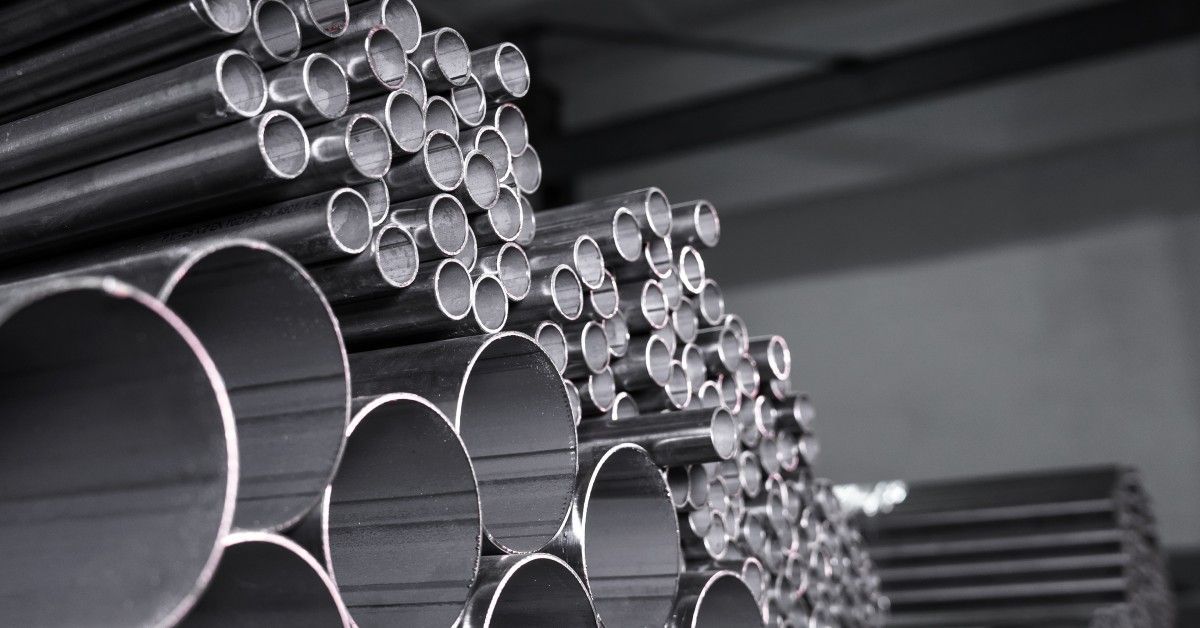
Standard stainless steel offers good resistance to general corrosion, making it suitable for architectural and food processing applications. However, it can be susceptible to stress corrosion cracking, particularly in chloride-rich environments like marine settings. Regular maintenance is necessary for stainless steel piping systems to remain intact over long periods.
Duplex steel excels in these harsh environments due to its high resistance to pitting and stress corrosion cracking. The addition of molybdenum, nitrogen, and high chromium content reinforces the passive layer on the metal surface. This makes duplex grades the preferred choice for offshore oil platforms and aggressive chemical processing plants.
Fabricating the Right Solution
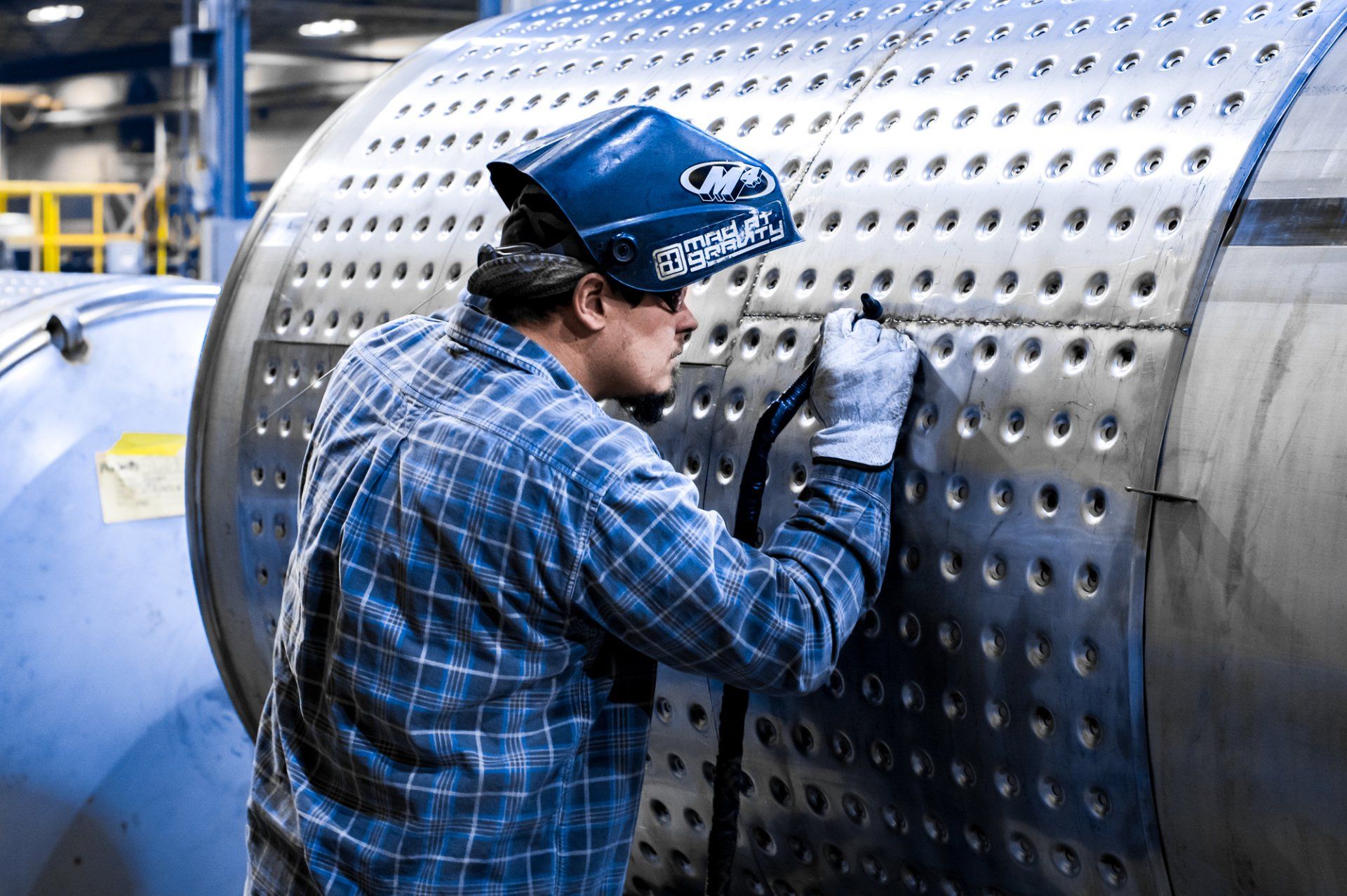
Choosing the correct material is only the first step for a successful project. While understanding the differences between duplex steel and stainless steel helps, expert fabrication is what truly brings a design to life. Collaborating with a specialist keeps the unique properties of these alloys intact during processing.
Our team possesses the technical expertise required to handle complex alloys and deliver precision components. We understand the nuances of welding and polishing both standard and duplex grades to meet rigorous industry standards. Let us customize your material selection and fabrication strategy for superior results.
Ready to Upgrade Your Systems?
Custom Manufacturing & Polishing Inc provides the specialized knowledge you need for high-performance steel fabrication. Contact us today to discuss your project requirements and discover how our expertise can increase your operational efficiency. Request a quote now to start your custom solution.