


Debunking Common Stainless Steel Fabrication Myths
Industry misconceptions often shape how people view stainless steel fabrication, even when those beliefs do not reflect real-world manufacturing practices. Some of these ideas come from outdated information, while others develop because fabrication requirements vary significantly between projects. Debunking common stainless steel fabrication myths allows project teams to evaluate materials and manufacturing processes based on actual application needs.
A closer look at how fabrication works reveals a more practical reality. Material selection, design requirements, and manufacturing methods all influence the result, which means broad assumptions rarely apply to every project.
Myth: Stainless Steel Never Requires Maintenance
Many people assume stainless steel remains unaffected by its environment after installation. While the material offers strong corrosion resistance, operating conditions still influence long-term performance. Surface contamination, environmental exposure, and application requirements all influence how components perform.
The reality is that stainless steel benefits from appropriate inspection and cleaning practices. Treating the material as completely maintenance-free can lead to unrealistic expectations.
Myth: Every Stainless Grade Performs the Same
The term stainless steel covers a wide range of alloys, each with different characteristics. Selecting a grade based solely on the stainless designation overlooks factors that may affect fabrication and performance later in the project.
Material choice should reflect the intended application. Environmental conditions, fabrication requirements, and performance expectations all determine which grade provides the most suitable solution for a specific project.
Myth: Complex Designs Are Too Difficult To Manufacture
Custom fabrication sometimes creates the impression that complex designs automatically lead to production challenges. While certain projects require additional planning, modern fabrication processes support a wide variety of shapes and configurations without dramatically increasing manufacturing difficulty.
Success can depend more on preparation than complexity alone, so early collaboration between design and fabrication teams frequently identifies opportunities to simplify production.
Myth: Heat Transfer Equipment Uses Standard Designs
Many people view heat transfer systems as products that follow a universal design approach. In practice, fabrication requirements vary based on operating conditions and performance objectives. What works in one application may not deliver the same results in another.
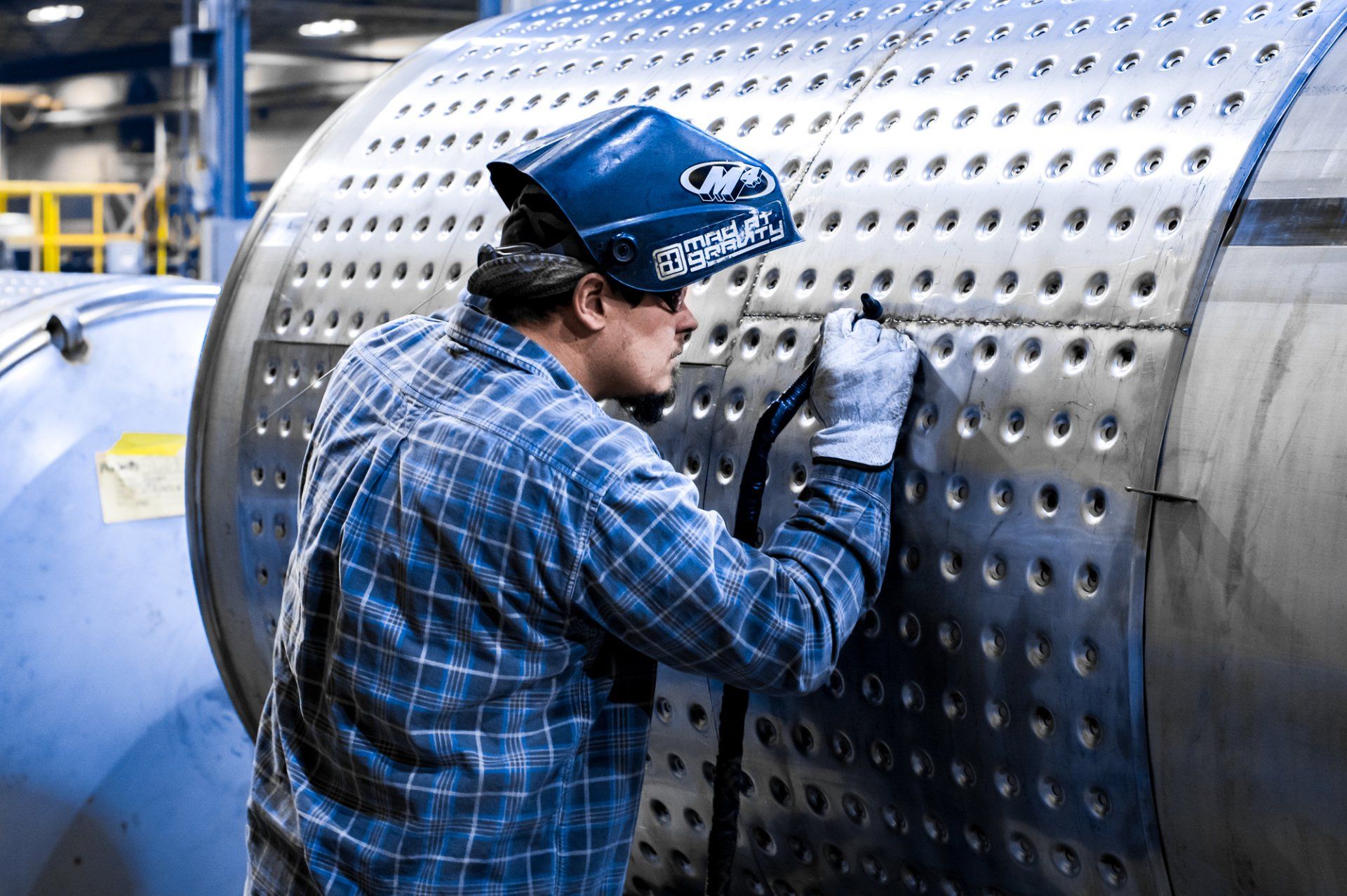
For example, projects involving dimple plate jacket systems typically require application-specific considerations. Engineers design and fabricate these components based on product characteristics, thermal requirements, and operating conditions.
Understanding the Reality Behind Fabrication Decisions
Many fabrication myths persist because they simplify topics that are more nuanced in practice. Manufacturing requirements differ from one project to the next, making broad assumptions difficult to apply consistently. Looking beyond common misconceptions leads to stronger planning and more informed decision-making.
Debunking common stainless steel fabrication myths helps project teams approach fabrication with greater confidence and more realistic expectations. For fabrication and heat transfer equipment, Custom Manufacturing & Polishing, Inc. provides manufacturing expertise tailored to application requirements. Contact our team to discuss project specifications and explore fabrication solutions designed around your performance goals.