
The Process of Hydroforming in Tube Bending Applications
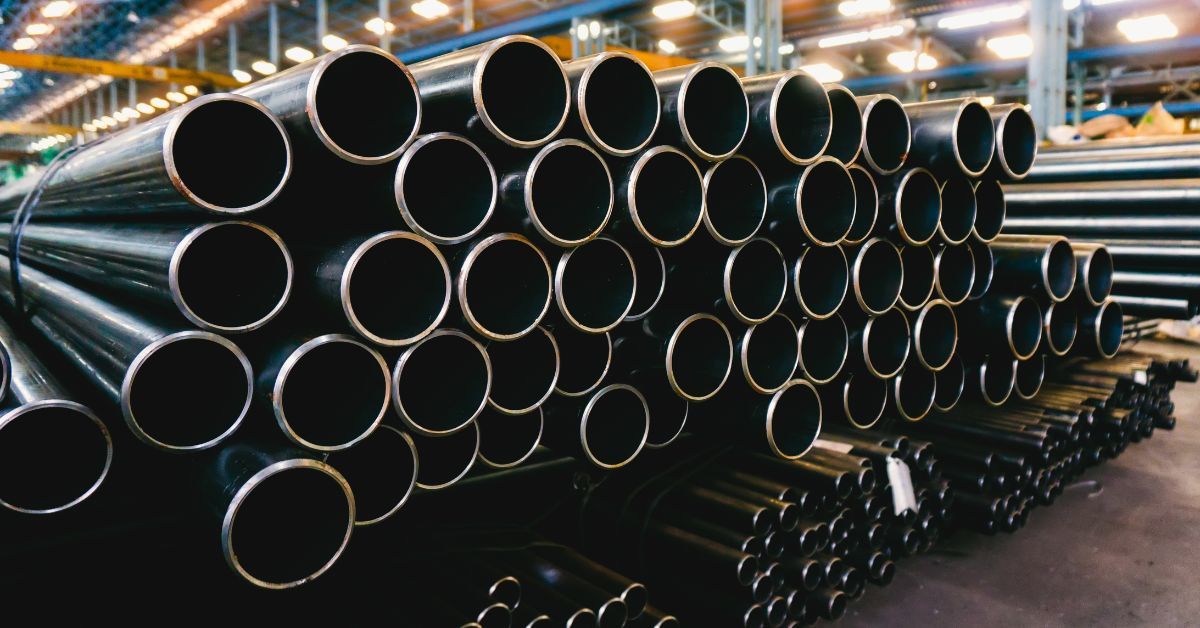
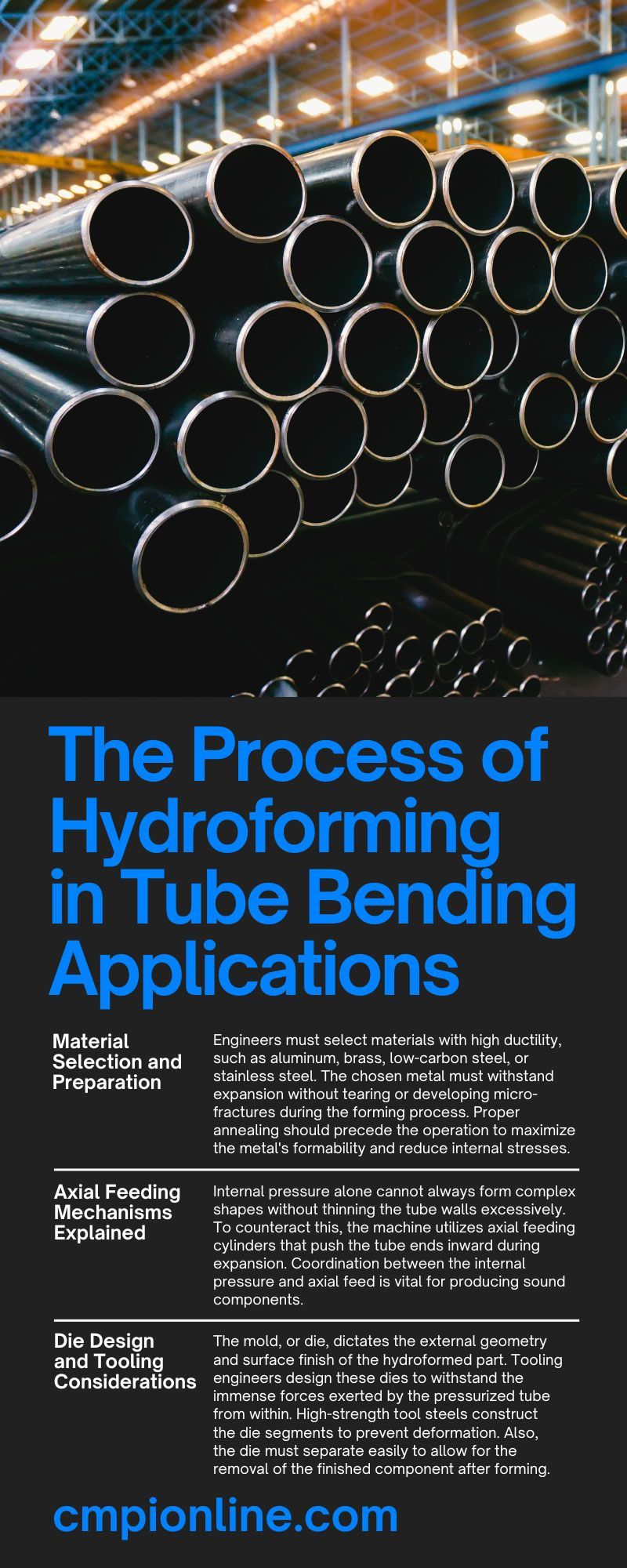
Modern manufacturing demands components that combine strength, precision, and lightweight characteristics. Engineers and fabricators achieve these complex geometries through advanced techniques that push metal beyond its traditional limits. One such technique alters standard pipes into intricate shapes without sacrificing structural integrity. Understanding the process of hydroforming in tube bending applications reveals why it has become a reliable method for industries ranging from aerospace to high-performance automotive design.
Understanding the Fundamentals of Hydroforming
Hydroforming represents a specialized type of die molding that utilizes pressurized fluid to shape ductile metals. The process begins with a hollow metal tube placed inside a negative mold that defines the final shape of the part. Hydraulic fluid pumps into the tube at extremely high pressures, forcing the metal outward against the mold walls. This method allows manufacturers to create shapes that would be difficult or impossible to achieve with solid die stamping.
The primary advantage lies in the uniform distribution of pressure across the material's surface. Unlike mechanical bending, which applies force at specific contact points, hydraulic pressure acts equally in all directions simultaneously. Consequently, designers can specify thinner materials to save weight without compromising the part's overall durability or performance.
Material Selection and Preparation
Success in hydroforming starts long before the pressurization phase begins. Engineers must select materials with high ductility, such as aluminum, brass, low-carbon steel, or stainless steel. The chosen metal must withstand expansion without tearing or developing micro-fractures during the forming process. Proper annealing should precede the operation to maximize the metal's formability and reduce internal stresses.
Preparation also involves cutting the raw tube to precise lengths and ensuring the ends are clean and burr-free. Any imperfections on the tube surface can translate into weaknesses or defects in the final product. To facilitate smooth material flow and extend the lifespan of the molding tools, apply lubricants to the exterior of the tube to reduce friction.
The Role of Hydraulic Pressure Systems
High-pressure hydraulic systems serve as the heart of the entire hydroforming operation. These systems must generate and control pressures that can exceed 30,000 PSI depending on the material and wall thickness. Pumps deliver the fluid rapidly to fill the tube, then switch to high-pressure intensification to create the shape change. Precise control valves regulate this pressure buildup to match the material's flow characteristics.
Maintaining Pressure Control
Monitoring the pressure curve prevents structural failure during the expansion phase. If the pressure rises too quickly, the material may burst before it fully conforms to the die cavity. Conversely, insufficient pressure results in incomplete filling and parts that lack the necessary definition. Advanced sensors provide real-time feedback, allowing the system to adjust hydraulic flow instantly for optimal results.
Operators must also account for the compressibility of the hydraulic fluid under extreme loads. Although liquids are generally considered incompressible, the massive forces involved in hydroforming cause slight volume reductions. The system compensates for this variable to maintain consistent forming force throughout the cycle. This level of precision guarantees that every manufactured part meets strict dimensional tolerances.
Axial Feeding Mechanisms Explained
Internal pressure alone cannot always form complex shapes without thinning the tube walls excessively. To counteract this, the machine utilizes axial feeding cylinders that push the tube ends inward during expansion. Coordination between the internal pressure and axial feed is vital for producing sound components.
The synchronization of these forces determines the success of the forming operation. If the axial feed moves too fast, the tube may buckle or wrinkle before expanding. If it moves too slow, the wall will thin out and potentially rupture under the internal pressure. Modern CNC controllers manage this delicate balance to produce parts with uniform thickness and superior structural strength.
Die Design and Tooling Considerations
The mold, or die, dictates the external geometry and surface finish of the hydroformed part. Tooling engineers design these dies to withstand the immense forces exerted by the pressurized tube from within. High-strength tool steels construct the die segments to prevent deformation. Also, the die must separate easily to allow for the removal of the finished component after forming.
Die performance depends heavily on effective venting. As the tube expands, air trapped between the metal and the die wall must escape to prevent back-pressure. Small vent holes or micro-channels provide controlled pathways for this air to exit without marking the part surface. Proper venting facilitates complete die filling and produces sharper, more defined features on the final product.
Applications in Automotive Engineering
The automotive industry embraces hydroforming to produce lighter, stiffer chassis components. Frames, engine cradles, and suspension members are commonly manufactured using this technology to improve fuel efficiency and safety. By reducing the number of welds required, hydroforming increases the structural rigidity of the vehicle platform. This consolidation of parts also simplifies the assembly line process and lowers overall production costs.
Exhaust systems benefit from the smooth, seamless bends achievable through this method. Furthermore, the ability to vary the cross-section of the tube allows for better packaging within tight engine bays. Designers can route exhaust piping around obstacles without resorting to sharp, flow-restricting corners.
Precision in Industrial Components
Industrial machinery requires custom tubing that fits into specific assemblies with tight clearances. Hydroforming produces these components with a high degree of repeatability and accuracy. The process creates seamless transitions between different cross-sectional shapes, such as changing from round to square. This versatility supports the creation of robust frameworks for heavy equipment and delicate instrument housings alike.
In industries, such as sanitary processing, the need for smooth internal surfaces is especially important. Hydroforming creates parts free from the crevices and seams associated with welded assemblies. This reduces the risk of bacterial growth and makes cleaning protocols more effective. Industries producing custom stainless-steel tubing for food and beverage applications rely on this clean, seamless finish.
Advantages Over Traditional Bending
Traditional rotary draw bending creates shapes by physically pulling metal around a die, which can distort the cross-section. Hydroforming eliminates this issue by supporting the tube from the inside out during the shaping process. The result is a bend that maintains its internal volume and flow characteristics. This is particularly important for fluid transfer applications where engineers must minimize turbulence.
The process also allows for the integration of features that would otherwise require secondary operations. Incorporate holes, slots, and mounting bosses directly into the hydroforming die. Punching these features with a pressurized tube prevents deformation and eliminates the need for subsequent drilling. This streamlines manufacturing workflow and reduces part handling.
Elevate Your Fabrication Projects
The evolution of metal forming technologies continues to open new possibilities for designers and engineers across all sectors. By leveraging the process of hydroforming in tube bending applications , manufacturers can achieve superior strength, weight reduction, and geometric complexity. As industries strive for higher efficiency and better performance, this sophisticated method remains a cornerstone of modern production strategies.
When your project demands precision and expertise, partner with a team that understands the intricacies of metal fabrication. Custom Manufacturing & Polishing Inc. delivers top-tier stainless steel polishing and custom fabrication services. Contact us today to discuss your next project and discover the difference quality craftsmanship makes.