


Things to Know About ASME Tank and Vessel Components
Specifying or sourcing pressure vessels requires a firm grasp of ASME requirements to prevent compliance failures and expensive rework. Engineers, contractors, and facility managers rely on these standards to navigate inspections and keep production timelines on track. Mastering the things to know about ASME tank and vessel components establishes manufacturers design, build, and verify every part can hold up in regulated applications.
What ASME Compliance Really Means
ASME stands for the American Society of Mechanical Engineers, the body responsible for the Boiler and Pressure Vessel Code (BPVC). These specific rules govern how engineers design, fabricate, and document every component, from the shell to the smallest nozzle.
Building an ASME-compliant tank ensures the vessel can withstand precise pressure and temperature limits using fully traceable materials. Adhering to these standards guarantees safety and regulatory acceptance across jurisdictions, moving far beyond basic fabrication quality to prioritize repeatability in high-stakes environments.
Core Components Found in ASME Tanks and Vessels
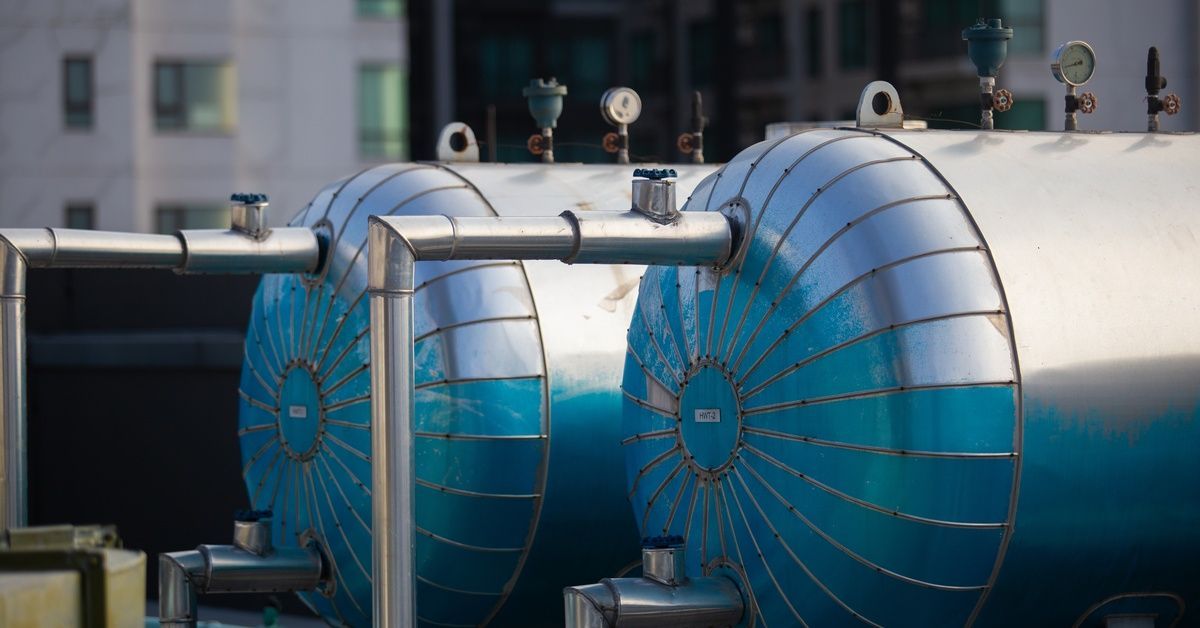
Several primary components work together to form the ASME pressure boundary within tanks and vessels. These typically include shells, formed heads, nozzles, flanges, and access openings, such as manways.
Each component must be properly sized and reinforced to maintain structural integrity under pressure. Even small design details, like nozzle placement or head geometry, can impact inspection approval and long-term performance.
Materials, Welding, and Fabrication Controls
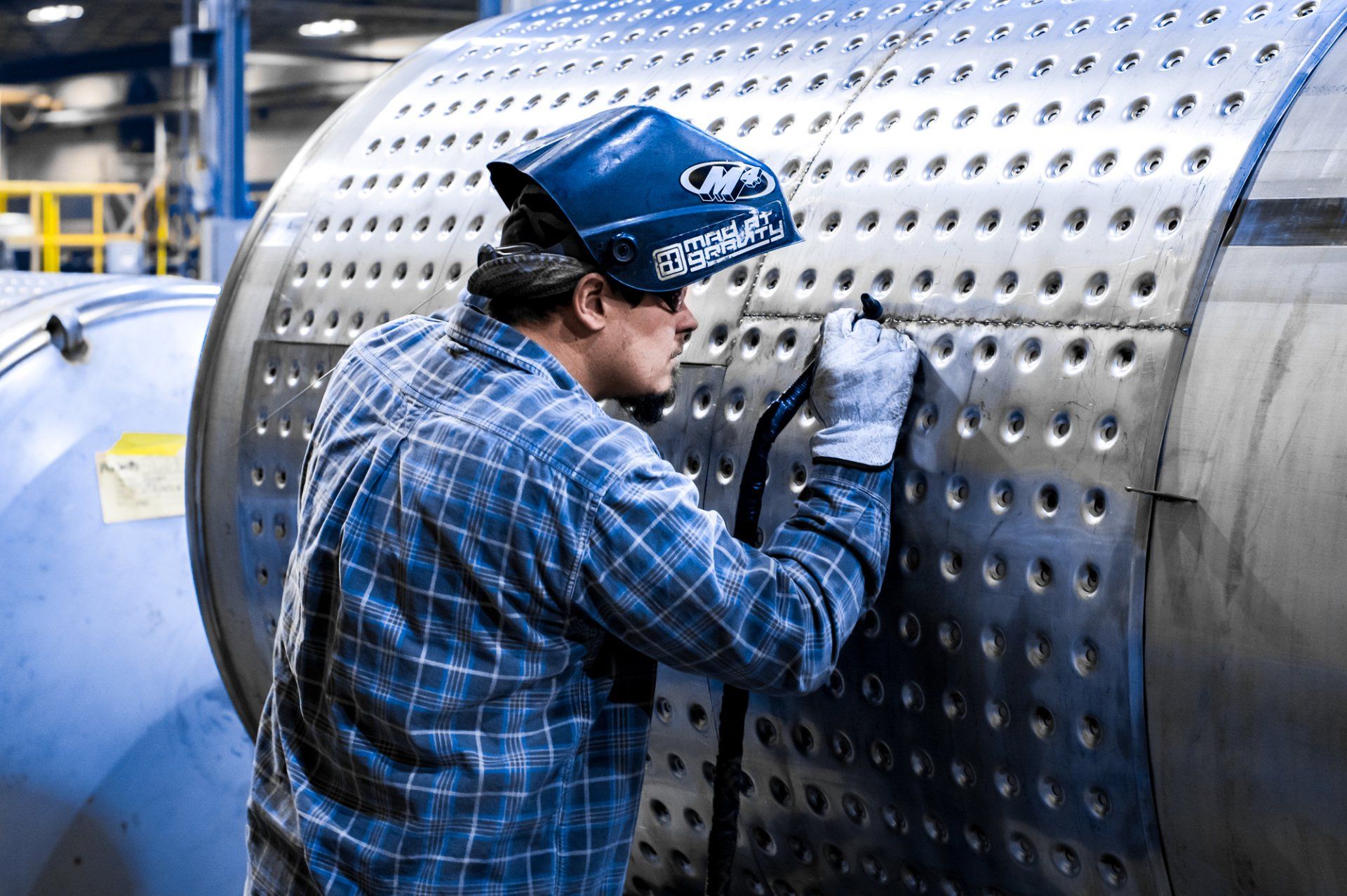
ASME code dictates material selection based on strict mechanical and chemical properties. While stainless steel is the standard for sanitary or corrosive environments, particularly when paired with heat transfer jackets, the metal must meet specific mill certifications to ensure it won't fail under pressure. Facilities can collaborate with a dimple jacket manufacturer to seamlessly integrate external cooling or heating surfaces with the ASME pressure boundaries without compromising the vessel's integrity.
Every weld must follow qualified procedures performed by certified personnel. Before any vessel leaves the shop, it undergoes a battery of inspections and tests, ranging from visual examinations and non-destructive testing (NDT) to final hydrostatic pressure tests. These controls verify that the finished product can safely operate within its rated limits.
Documentation and Certification Requirements
Documentation proves that every component meets the required safety thresholds. Manufacturers must provide a comprehensive data package for every certified vessel, including material test reports (MTRs), inspection logs, and the formal Manufacturer’s Data Report. An official ASME stamp serves as the final verification of compliance, depending on the code section used.
Inspectors, insurers, and regulatory authorities reject vessels that lack complete records. These officials treat the paperwork as the only valid proof of integrity, and without it, a tank stays grounded as a liability. Keeping files organized and accessible eliminates the risk of failed inspections and prevents the expensive downtime that follows.
Built for Compliance, Backed by Experience
Understanding things to know about ASME tank and vessel components helps teams work with a certified fabricator to reduce risk and keeps projects moving forward.
Custom Manufacturing & Polishing Inc. provides ASME-certified tank and vessel components, along with custom stainless steel fabrication and polishing services. Contact CMPI to discuss your project requirements and timelines today.